%2Ffit-in%2F250x250%2Fguide_websites%2F122331%2Fimages%2F1775010776645villarealguideservice.png&w=1920&q=100)
/users/08d994c6-bbb8-4374-b894-f7c313ccf46e/ratecard/geese-mnff9aqk.png)
%2F300x300%2Fusers%2F08d994c6-bbb8-4374-b894-f7c313ccf46e%2Fratecard%2Fgeese-mnff9aqk.png&w=256&q=75)
%2F300x300%2Fusers%2F08d994c6-bbb8-4374-b894-f7c313ccf46e%2Fimages%2Fspeckled-trout-loyola-beach-fishing-2749.jpg&w=256&q=75)
%2F300x300%2Fusers%2F08d994c6-bbb8-4374-b894-f7c313ccf46e%2Fimages%2Floyola-beach-redfish-trout-catch-2764.jpg&w=256&q=75)
%2F300x300%2Fusers%2F08d994c6-bbb8-4374-b894-f7c313ccf46e%2Fimages%2Floyola-beach-flounder-speckled-trout-2828.jpg&w=256&q=75)
%2F300x300%2Fusers%2F08d994c6-bbb8-4374-b894-f7c313ccf46e%2Fimages%2Fspotted-seatrout-loyola-beach-texas-2611.jpg&w=256&q=75)
%2F300x300%2Fusers%2F08d994c6-bbb8-4374-b894-f7c313ccf46e%2Fimages%2Floyola-beach-fishing-trip-2624.jpg&w=256&q=75)
%2F300x300%2Fusers%2F08d994c6-bbb8-4374-b894-f7c313ccf46e%2Fimages%2Fspanish-mackerel-loyola-beach-texas-2691.jpg&w=256&q=75)
%2F300x300%2Fusers%2F08d994c6-bbb8-4374-b894-f7c313ccf46e%2Fimages%2Fspeckled-trout-loyola-beach-fishing-2676.jpg&w=256&q=75)
%2F300x300%2Fusers%2F08d994c6-bbb8-4374-b894-f7c313ccf46e%2Fimages%2Fspeckled-trout-loyola-beach-texas-2642.jpg&w=256&q=75)
%2F300x300%2Fusers%2F08d994c6-bbb8-4374-b894-f7c313ccf46e%2Fimages%2Floyola-beach-redfish-fishing-boat-2695.jpg&w=256&q=75)
%2F300x300%2Fusers%2F08d994c6-bbb8-4374-b894-f7c313ccf46e%2Fimages%2Floyola-beach-redfish-double-2675.jpg&w=256&q=75)
Alice Texas Dove Hunt Villarreal Guide Services
What you will be catching:
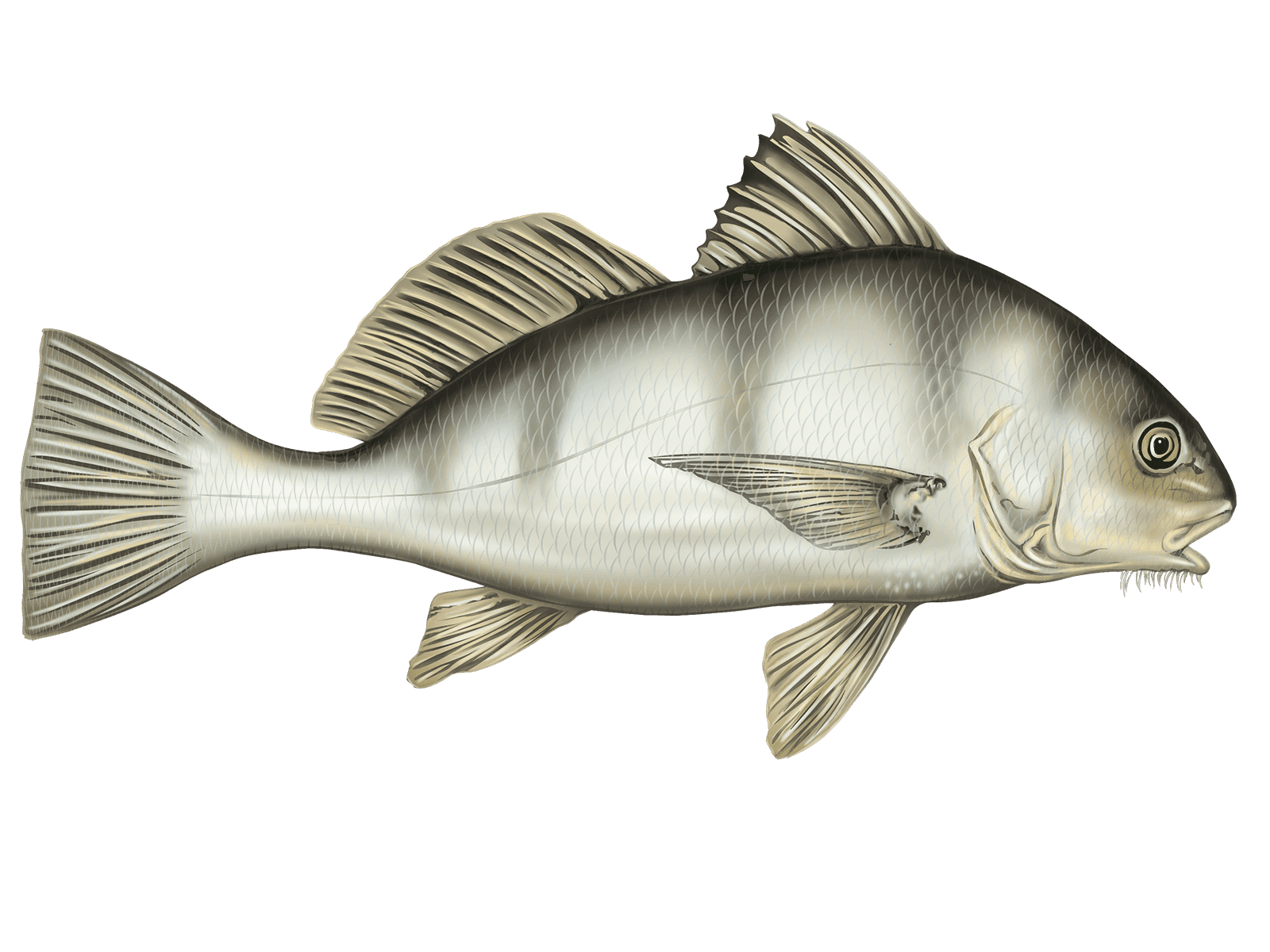
 Black Drum
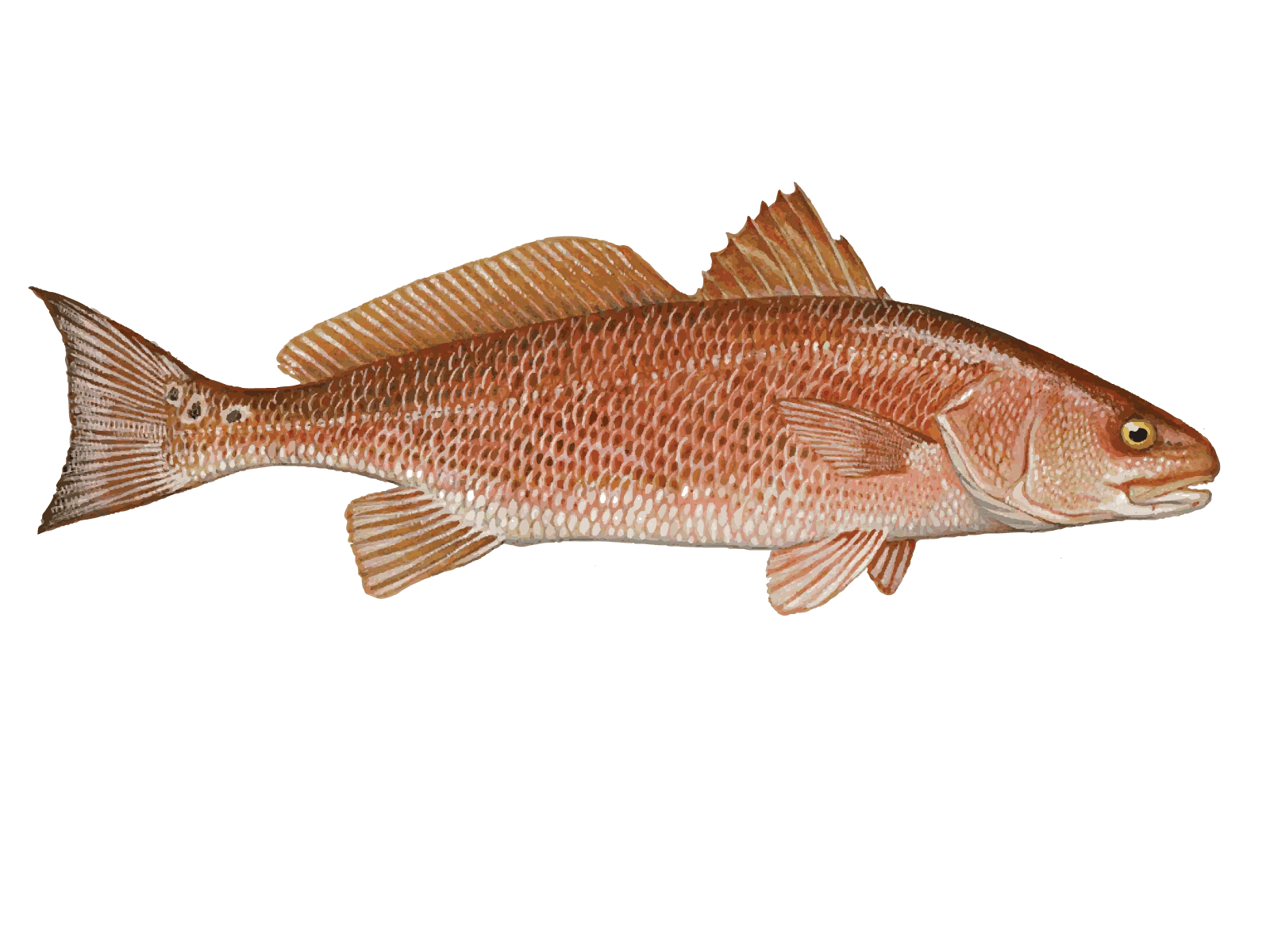
 Redfish
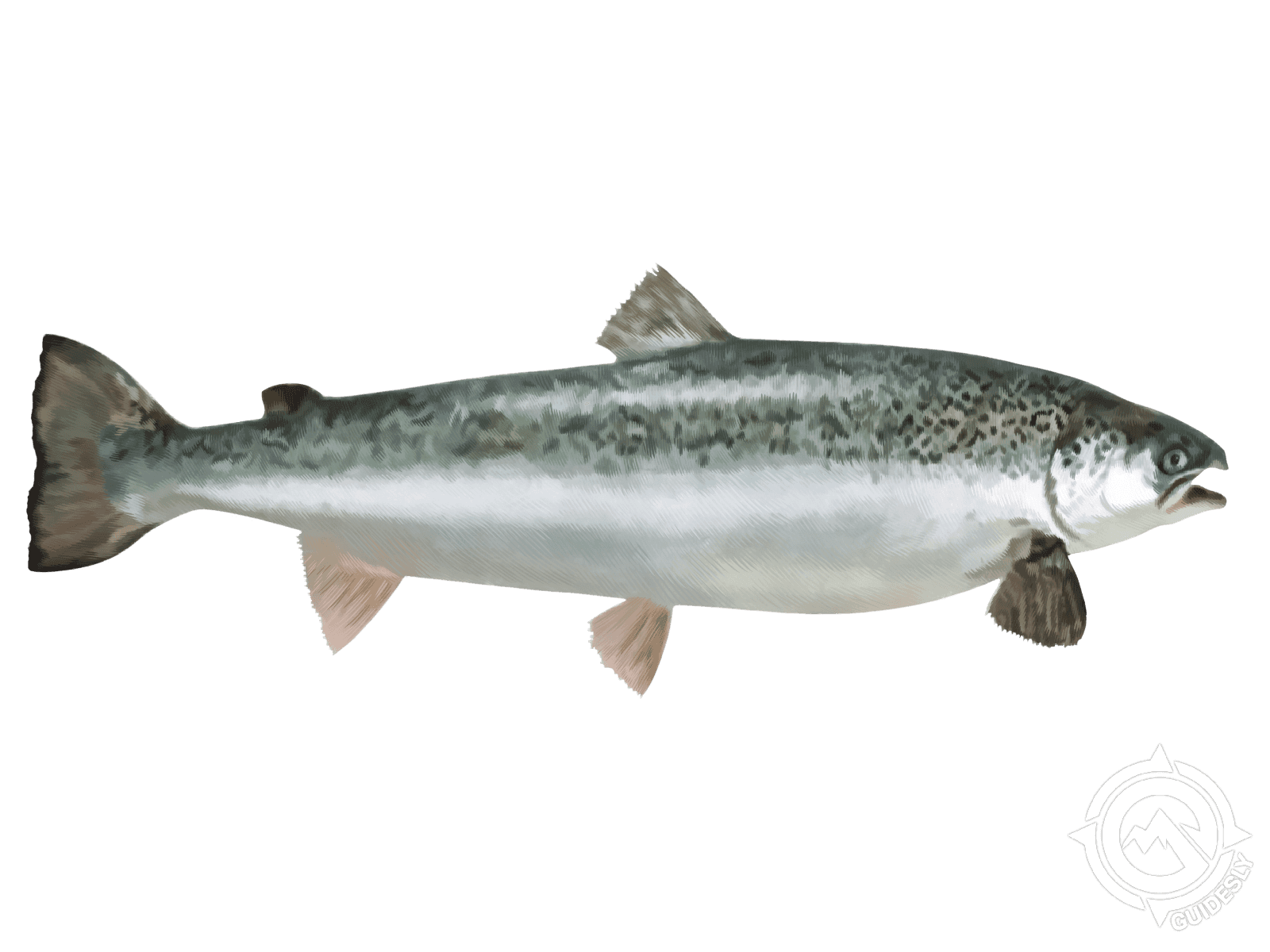
 Sea Trout
 Sheepshead
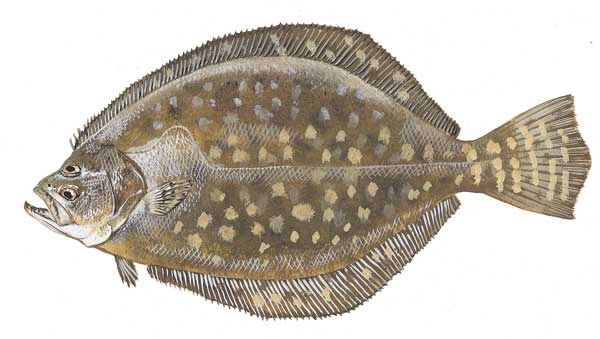 Southern Flounder
- 4-hour guided dove hunt in prime South Texas location
- Dawn or evening sessions accommodate hunters of all skill levels
- Accommodates up to 100 hunters with expert field positioning
Trip Pricing and Availabilities:
Half Day Alice Texas Dove Guided Trip
When you're looking for prime dove hunting in South Texas, Alice delivers the goods. Our half-day guided hunts put you right in the heart of some of the most consistent dove country you'll find anywhere. Whether you're an early bird who loves the 6:45 AM start or prefer the afternoon action kicking off at 3:45 PM, we've got you covered with four solid hours of hunting. This isn't some fancy lodge operation - it's real hunting on proven grounds where the birds actually fly. Just bring your gun, shells, and valid Texas hunting license, and we'll handle the rest.
Inside the Hunt
Alice sits in prime mourning dove territory, and these birds have been using the same flight patterns for generations. The morning hunt starts before sunrise when the doves are moving from roost to feed, giving you that classic South Texas experience. Afternoon sessions capitalize on the evening flight back to roost, which can be absolutely spectacular when conditions are right. We keep groups manageable and position hunters where the action happens consistently. The terrain here is classic South Texas brush country with senderos, stock tanks, and feeding areas that draw birds naturally. You'll be hunting real wild birds in their element, not some put-and-take operation. Weather plays a big role - windy days often produce the best shooting as birds work harder to navigate, while calm mornings can see steady streams of doves moving predictably along their traditional routes.
Tracking Tips & Terrain
Dove hunting is all about reading flight patterns and positioning yourself where birds naturally want to be. In Alice, doves typically follow fence lines, power lines, and creek beds as they move between roosting and feeding areas. The key is setting up along these travel corridors rather than trying to intercept them in open country. We use portable chairs and natural blinds to keep hunters comfortable and concealed. Shot placement is crucial - these birds are fast and erratic, so focusing on the bird's head and maintaining a smooth swing gives you the best chance. Most successful hunters use 20-gauge or 12-gauge shotguns with improved cylinder or modified chokes, throwing 7.5 or 8 shot loads. The brush country terrain means you'll want to dress in earth tones and bring plenty of water. Safety zones are clearly marked, and we maintain proper spacing between hunters. The beauty of Alice dove hunting is that birds often circle back, giving you multiple opportunities at the same flock.
Target Game Breakdown
Mourning doves are the bread and butter of South Texas hunting, and Alice produces some of the most consistent action you'll find. These birds are surprisingly hardy, weighing about 4-6 ounces but capable of absorbing a lot of shot if not hit cleanly. Peak season runs from September through October, coinciding with migration patterns that bring northern birds through our area to join the year-round residents. What makes dove hunting special is the unpredictability - one minute you're picking off singles, the next you're facing a flock of thirty birds buzzing the blind from every direction. Doves have incredible eyesight and react instantly to movement, making concealment and patience essential. They're also smart enough to change flight patterns when pressured, which keeps hunters on their toes throughout the session. The challenge isn't just hitting them - it's reading their flight, anticipating their moves, and making quick decisions as multiple birds present shooting opportunities simultaneously. Success rates vary widely based on shooting skill, but even experienced hunters find these birds humbling on windy days when they're really moving erratically.
White-winged doves also frequent the Alice area, particularly during late summer and early fall when grain crops are maturing. These birds are slightly larger than mourning doves and often fly in tighter flocks, creating exciting shooting opportunities when they commit to landing areas. They're more predictable in their patterns but equally challenging to hit cleanly. Whitewings prefer agricultural edges and stock tank areas, making them a natural fit for our hunting grounds. Their distinctive white wing patches make identification easy, and they often decoy better than mourning doves when conditions are right.
Book Your Next Tag
Alice dove hunting represents some of the best wing shooting opportunities in South Texas, combining consistent bird numbers with challenging shots that'll keep you sharp. Our half-day format gives you plenty of action without wearing you out, and the flexible morning or afternoon timing means you can work it into just about any schedule. The shared hunt setup keeps costs reasonable while maintaining quality - we're not cramming hunters into marginal spots just to fill numbers. With accommodation for up to 100 hunters across multiple sessions, we can handle groups of any size while ensuring everyone gets positioned in productive areas. Book early for peak season dates, especially weekends, as these spots fill up fast once word gets out about bird numbers. Whether you're introducing someone new to hunting or you're a seasoned shooter looking for consistent action, Alice delivers the kind of dove hunting that keeps you coming back season after season.
Learn more about the animals
Black Drum
Black drum are the bulldozers of the bay - powerful fish that can really test your tackle. Most of what we catch runs 5-30 pounds, but the big bulls can hit 50+ pounds and will give you a workout. They love oyster beds, muddy flats, and shallow waters around structure. Spring is prime time when they school up for spawning, making them much easier to locate. You'll hear them "drumming" underwater, especially during spawning season. Folks love targeting them for the strong fight and that distinctive croaking sound they make. The smaller ones under 15 pounds are excellent table fare too. My go-to tip: use fresh crab bait on a Carolina rig and fish it right on the bottom near oyster reefs. The key is being patient - they'll mouth the bait before committing, so wait for that solid pull before setting the hook.
Redfish
Redfish are the ultimate sight-fishing target with their copper-bronze backs and signature black spots near the tail. They typically run 18-28 inches in the shallows, but the big bulls offshore can hit 40+ inches and 50 pounds. These fish love super shallow water - sometimes so shallow their backs stick out. Look for them on grass flats, oyster reefs, and around structure in 1-4 feet of water. Fall and spring offer the best action, but they bite year-round. What makes them special is that explosive topwater strike and bulldogging fight that'll test your drag. They're great table fare too, with mild, sweet meat. The black spot acts like a fake eye to confuse predators. My favorite technique: throw a gold spoon or topwater plug over shallow grass flats early morning. When you see that red back cruising the shallows, it's game on.
Sea Trout
Speckled trout are the bread and butter of our inshore fishing - beautiful fish with distinctive spots and a silvery sheen. Most run 14-24 inches and 1-5 pounds, with the occasional gator trout pushing much bigger. They love grass flats, shallow bays, and drop-offs in 2-8 feet of water. Best fishing is dawn, dusk, and night when they move shallow to feed. Spring and fall are prime seasons, but they bite year-round if you know where to look. Guests love their aggressive strikes and acrobatic fights - they'll jump and run when hooked. The white, flaky meat is some of the best eating around. During winter, they school up in deeper channels, making them easier to find in numbers. Pro tip: use topwater plugs early morning over grass flats. That explosive surface strike from a big trout will get your heart pumping every time.
Sheepshead
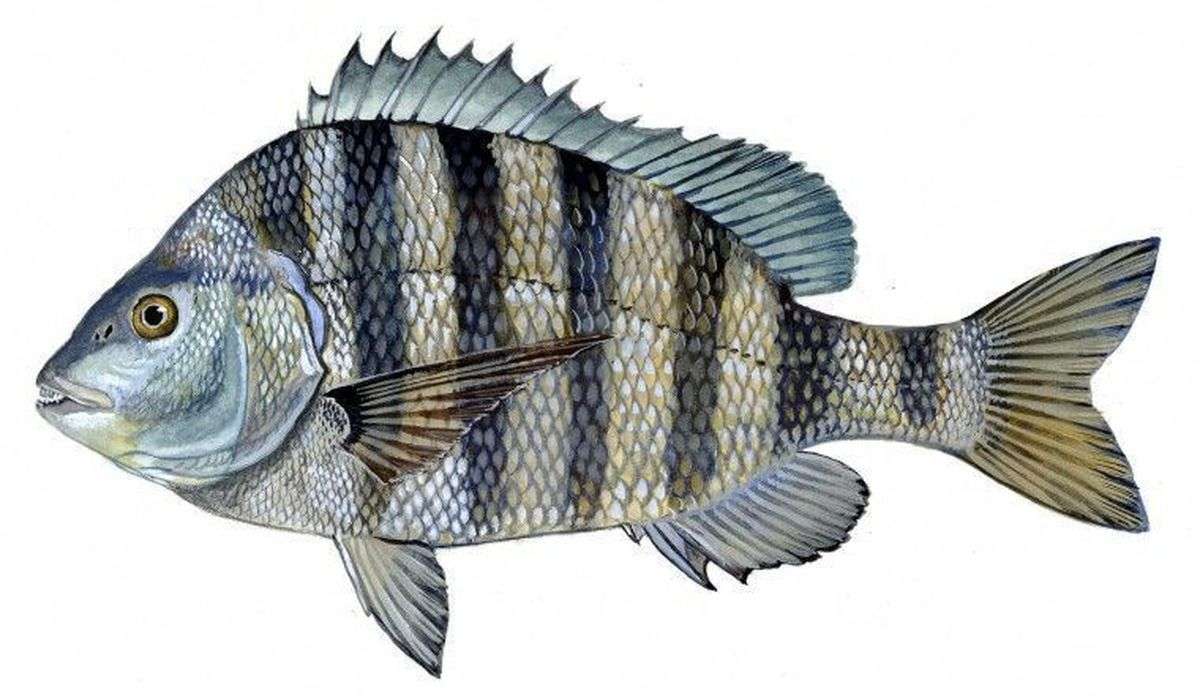
Sheepshead are the thieves of the dock - they'll steal your bait with those human-like teeth before you know what hit you. Most fish run 1-8 pounds and 14-20 inches, but the big ones can push 20 pounds. They're always around structure - docks, bridges, jetties, anywhere with barnacle-covered pilings. Spring is peak season when they spawn in big schools around passes and reefs. What guests love most is the challenge - these fish are notorious bait stealers that require quick reflexes and sharp hooks. Plus, they're fantastic eating with sweet, white meat. The black and white stripes earned them the nickname "convict fish." Here's the secret: use small hooks with fresh shrimp or fiddler crabs, get as close to structure as possible, and when you feel that first nibble, set the hook immediately. They'll clean your hook in seconds if you hesitate.
Southern Flounder
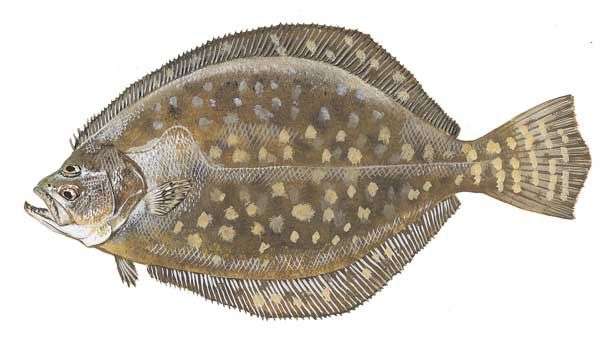
These flatfish are masters of disguise, burying themselves in sand and mud to ambush prey. Most run 15-18 inches and around 5 pounds, though we've pulled some 20+ pounders from deeper waters. You'll find them on sandy bottoms in bays, estuaries, and nearshore areas - they love structure like jetties and channel edges. Fall through spring gives you the best action when they're feeding heavily before heading offshore. What makes them special? Those explosive strikes when they come off the bottom, plus they're some of the best eating fish in Texas waters. Here's a local trick: when drift fishing, work your bait slowly in 1-foot lifts off the bottom. They'll often follow the bait up before striking, and that subtle weight change is your cue to set the hook hard.
About the Haynie
%2F%2Fusers%2F08d994c6-bbb8-4374-b894-f7c313ccf46e%2Fvehicle_picture%2Fb-mn9o0pnr.jpg&w=1920&q=75)
Vehicle Guest Capacity: 4
Manufacturer Name: Mercury
Maximum Cruising Speed: 40
Number of Engines: 1
Horsepower per Engine: 350