%2Ffit-in%2F250x250%2Fguide_websites%2F122331%2Fimages%2F1775010776645villarealguideservice.png&w=1920&q=100)
/users/08d994c6-bbb8-4374-b894-f7c313ccf46e/ratecard/6-mn9pxlrx.jpg)
%2F300x300%2Fusers%2F08d994c6-bbb8-4374-b894-f7c313ccf46e%2Fratecard%2F6-mn9pxlrx.jpg&w=256&q=75)
%2F300x300%2Fusers%2F08d994c6-bbb8-4374-b894-f7c313ccf46e%2Fimages%2Fspeckled-trout-loyola-beach-fishing-2749.jpg&w=256&q=75)
%2F300x300%2Fusers%2F08d994c6-bbb8-4374-b894-f7c313ccf46e%2Fimages%2Floyola-beach-redfish-trout-catch-2764.jpg&w=256&q=75)
%2F300x300%2Fusers%2F08d994c6-bbb8-4374-b894-f7c313ccf46e%2Fimages%2Floyola-beach-flounder-speckled-trout-2828.jpg&w=256&q=75)
%2F300x300%2Fusers%2F08d994c6-bbb8-4374-b894-f7c313ccf46e%2Fimages%2Fspotted-seatrout-loyola-beach-texas-2611.jpg&w=256&q=75)
%2F300x300%2Fusers%2F08d994c6-bbb8-4374-b894-f7c313ccf46e%2Fimages%2Floyola-beach-fishing-trip-2624.jpg&w=256&q=75)
%2F300x300%2Fusers%2F08d994c6-bbb8-4374-b894-f7c313ccf46e%2Fimages%2Fspanish-mackerel-loyola-beach-texas-2691.jpg&w=256&q=75)
%2F300x300%2Fusers%2F08d994c6-bbb8-4374-b894-f7c313ccf46e%2Fimages%2Fspeckled-trout-loyola-beach-fishing-2676.jpg&w=256&q=75)
%2F300x300%2Fusers%2F08d994c6-bbb8-4374-b894-f7c313ccf46e%2Fimages%2Fspeckled-trout-loyola-beach-texas-2642.jpg&w=256&q=75)
%2F300x300%2Fusers%2F08d994c6-bbb8-4374-b894-f7c313ccf46e%2Fimages%2Floyola-beach-redfish-fishing-boat-2695.jpg&w=256&q=75)
%2F300x300%2Fusers%2F08d994c6-bbb8-4374-b894-f7c313ccf46e%2Fimages%2Floyola-beach-redfish-double-2675.jpg&w=256&q=75)
Texas Half Day PM Trout Redfish Charter Loyola
What you will be catching:
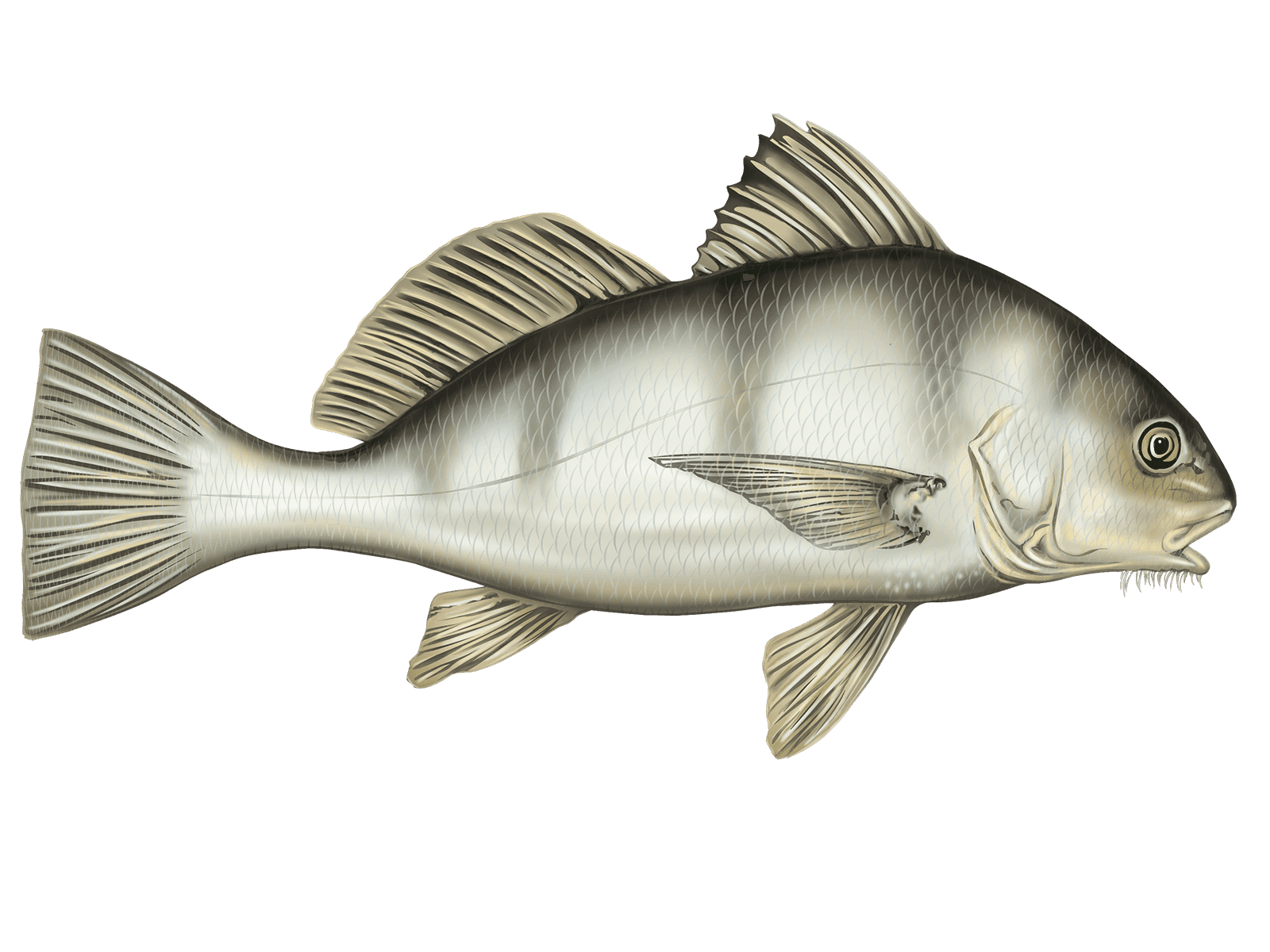
 Black Drum
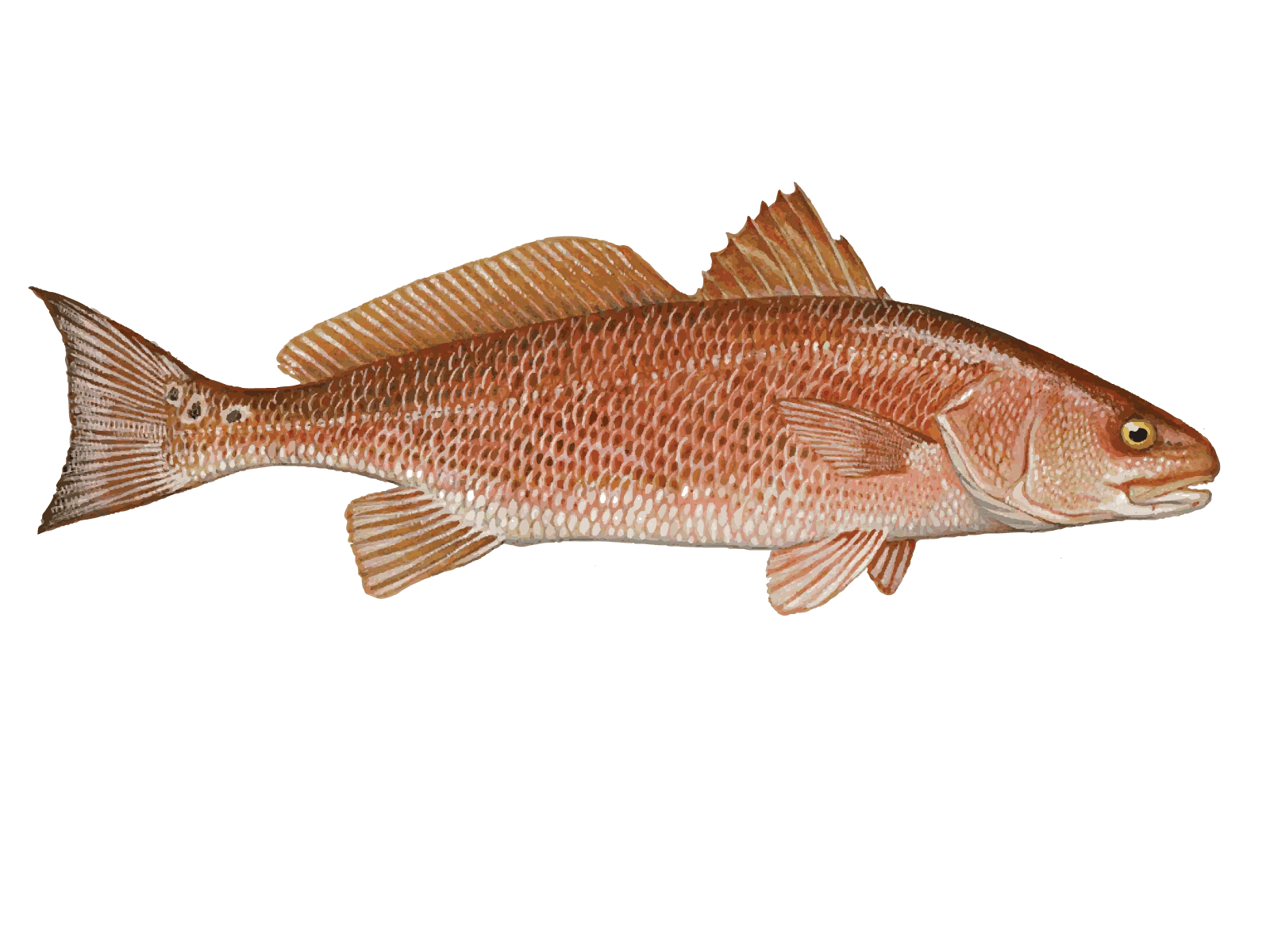
 Redfish
 Sea Trout
 Sheepshead
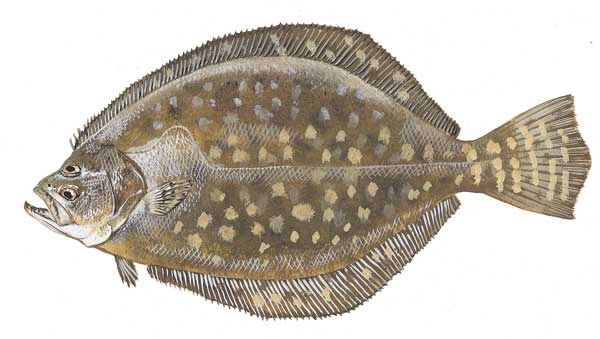 Southern Flounder
- 5-hour guided inshore fishing adventure from Loyola Beach
- Target redfish and speckled trout in Corpus Christi Bay waters
- Accommodates up to 4 anglers with expert guide assistance
Trip Pricing and Availabilities:
Half-day Loyola Beach Inshore Fishing Charter
Nothing beats an afternoon on Texas waters when the redfish are tailing and the trout are hitting topwater. This half-day charter out of Loyola Beach puts you right in the heart of some of the Gulf Coast's most productive inshore fishing grounds. You'll cover water from Corpus Christi Bay down toward Port Mansfield, working the flats, structure, and drop-offs that hold fish year-round. Whether you're bringing the kids for their first taste of saltwater fishing or you're a seasoned angler looking to dial in your technique, this trip delivers consistent action with the flexibility to adjust based on what's biting.
What to Expect on the Water
This top-rated 5-hour afternoon charter kicks off when the sun starts to mellow and the fish begin their evening feed. You'll launch from Loyola Beach with everything rigged and ready to go. The boat holds up to 4 anglers comfortably, making it perfect for families or small groups who want personalized attention from the guide. The fishing grounds stretch across a huge area, so there's always a backup plan when conditions change or one spot goes quiet. You'll work shallow flats where redfish cruise in skinny water, deeper grass beds that hold trout, and structure that attracts drum and flounder. The guide reads the conditions daily and adjusts the game plan accordingly – some days that means sight-casting to tailing reds, other days it's working deeper holes for bigger trout. No two trips are exactly alike, which keeps things interesting even for repeat customers.
Gear & Techniques
Light tackle is the name of the game here, and the guide has you covered with quality rods, reels, and terminal tackle suited for inshore species. The go-to setup is often a popping cork rig with live or artificial bait underneath – this presentation is deadly on trout and redfish when worked properly. You'll learn how to pop the cork to create sound and movement that triggers strikes, then work the bait naturally as it settles. When conditions call for it, the guide switches to topwater plugs, soft plastics, or live bait on the bottom for drum and flounder. The key is matching the presentation to what the fish want on any given day. Water clarity, tide stage, and wind all factor into tackle selection, and part of the experience is learning how these variables affect your success. Beginners get hands-on instruction with casting, retrieving, and fighting fish, while experienced anglers can fine-tune their approach and pick up local techniques that work specifically in these waters.
Top Catches This Season
Redfish are the bread and butter of this fishery, and for good reason. These copper-colored bruisers patrol the shallows year-round, though they're most active during the cooler months from October through March. You'll find them tailing in inches of water or cruising the edges of grass flats where they ambush baitfish. A good redfish runs hard and uses its broad tail to bulldoze through the water – it's pure power that gets your heart pumping. Most fish here run 18-28 inches, perfect eating size with enough fight to keep things interesting. Sea trout are the other major target, especially during spring and early summer when they move shallow to spawn. These spotted beauties are finicky feeders that reward patience and precision. They hit soft plastics and live shrimp with authority, then jump and shake trying to throw the hook. Trout fishing teaches you about subtlety – the bite might be a gentle tick or a sideways pull that's easy to miss if you're not paying attention. Black drum show up in good numbers during their spring run, often in schools that can provide non-stop action once you find them. These bottom-dwellers fight with a slow, heavy pull that tests your tackle and patience. They're not the prettiest fish in the bay, but a big drum will give you all the fight you can handle. Sheepshead hang around structure and are notorious bait thieves with their human-like teeth. They require finesse and quick reflexes to hook consistently, making them a favorite challenge for experienced anglers. Southern flounder are the masters of camouflage, lying flat on sandy bottoms waiting to ambush passing prey. They hit with a distinct thump and often surprise anglers with their size – a good doormat flounder is always a trip highlight and excellent table fare.
Why Anglers Keep Coming Back
The beauty of this fishery is its diversity and resilience. While some destinations rely on specific seasonal runs or weather windows, the Loyola Beach area produces fish throughout most of the year. The guide's local knowledge makes all the difference – knowing which spots to hit based on tide, wind, and recent patterns keeps you on fish when other boats struggle. The afternoon timing works perfectly for families with kids or anyone who doesn't want to deal with early morning departures. You get the best of both worlds: sleeping in and still catching the evening bite when fish are most active. The learning curve is gentle enough for beginners but the fishing has enough complexity to challenge veterans. Plus, the scenery along this stretch of coast is world-class, with plenty of wildlife beyond just fish. It's not uncommon to see dolphins, various bird species, and maybe even a manatee or turtle during your time on the water.
Time to Book Your Spot
If you're ready to experience some of Texas's best inshore fishing, this half-day charter delivers everything you're looking for. The combination of productive waters, expert guiding, and flexible timing makes it a customer favorite that books up quickly, especially during peak seasons. Whether you're planning a family outing, celebrating a special occasion, or just need to get some salt spray in your face, this trip puts you on fish while showing you one of the most beautiful stretches of the Texas coast. The guide provides all the gear and knowledge – you just bring your fishing license, sun protection, and enthusiasm. Don't wait too long to secure your spot, because the best fishing dates fill up fast and you don't want to miss out on what
Learn more about the species
Black Drum
Black drum are the heavyweights of our inshore waters, ranging from 5-30 pounds with some monsters hitting 50+ pounds. These bruisers love oyster beds, muddy flats, and structure where they can crunch on crabs and shellfish with their powerful jaws. Spring is peak season when they school up for spawning - that's when you'll hear their distinctive drumming sounds underwater. They're fantastic fighters that will test your drag, and the smaller ones under 15 pounds make excellent table fare with sweet, firm meat. Bigger fish are better released since the meat gets tough. You'll find them in shallow water one day, then 20 feet deep the next. My go-to trick is fresh blue crab on a fish finder rig - let it sit on bottom and be patient. These fish take their time inspecting bait before committing.
Redfish
Redfish are our signature species - copper-colored bruisers with distinctive black spots near the tail that fight like freight trains. Most slot fish run 20-28 inches, but we see plenty of oversized bulls pushing 35+ inches that'll test your tackle. They love super shallow water, often cruising flats so skinny their backs show above the surface. You'll find them around oyster bars, grass beds, and shoreline structure. They feed year-round but fall and spring offer the best action when they're most aggressive. What guests love is their willingness to eat just about anything and their powerful runs that'll make your drag sing. The smaller ones are outstanding table fare with firm, slightly sweet meat. Watch for their wakes and tails in shallow water, then cast ahead of their path with a gold spoon or topwater plug for explosive strikes.
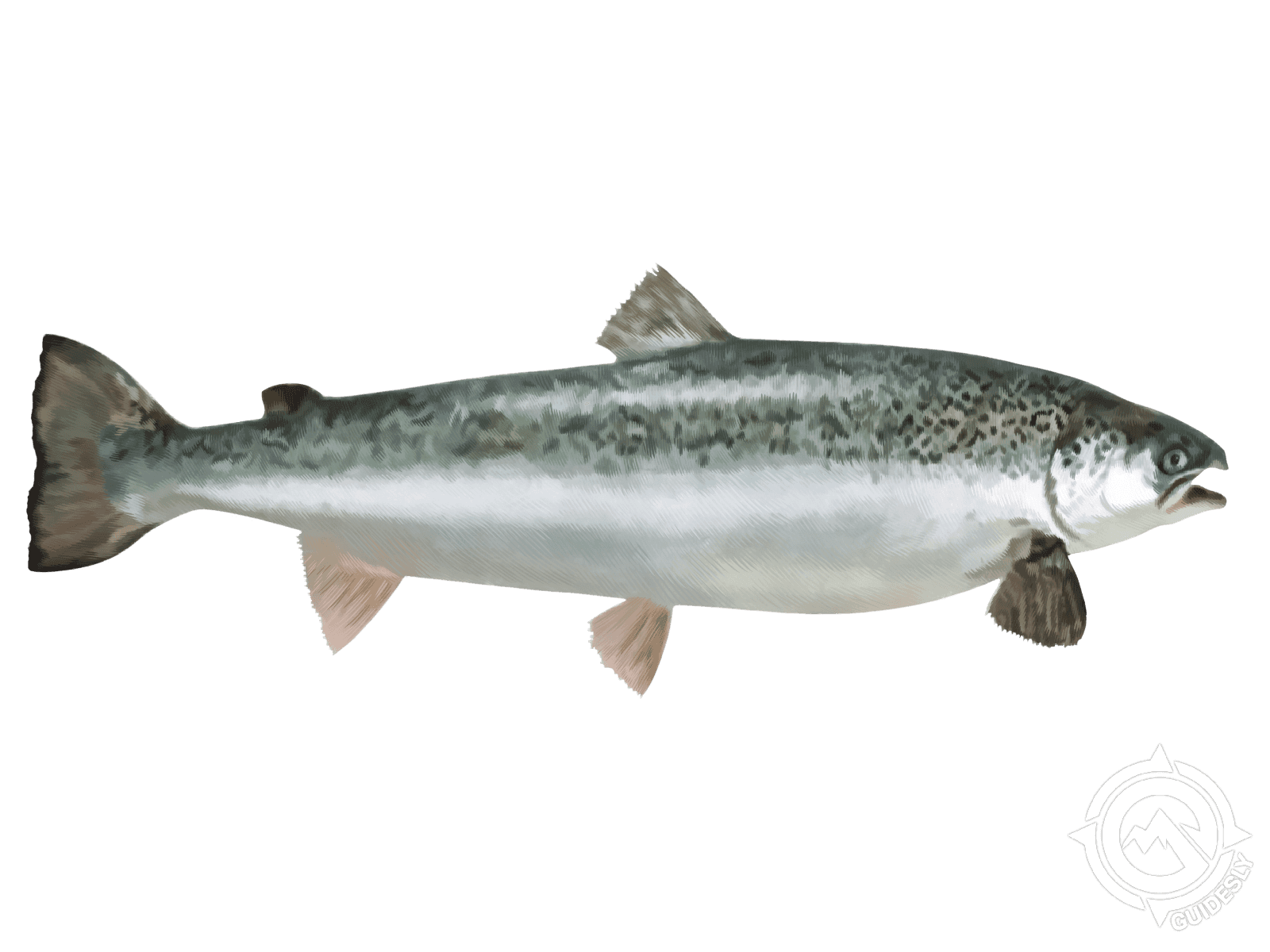
Sea Trout
Speckled trout are the bread and butter of our inshore fishing, running 14-24 inches and 1-5 pounds on average. These spotted beauties love grass flats, shallow bays, and drop-offs where they can ambush shrimp and baitfish. They're most active during cooler months and low-light periods like dawn and dusk. What makes them popular is they're great fighters on light tackle, readily take artificials, and make fantastic table fare with delicate, flaky white meat. Just don't overcook them or they'll get mushy. They school up during winter in deeper channels but spread out over shallow flats in warmer weather. My favorite technique is a popping cork with live shrimp about 18 inches below, worked slowly over grass beds. When the cork disappears, set the hook - these fish have soft mouths so don't horse them in.
Sheepshead
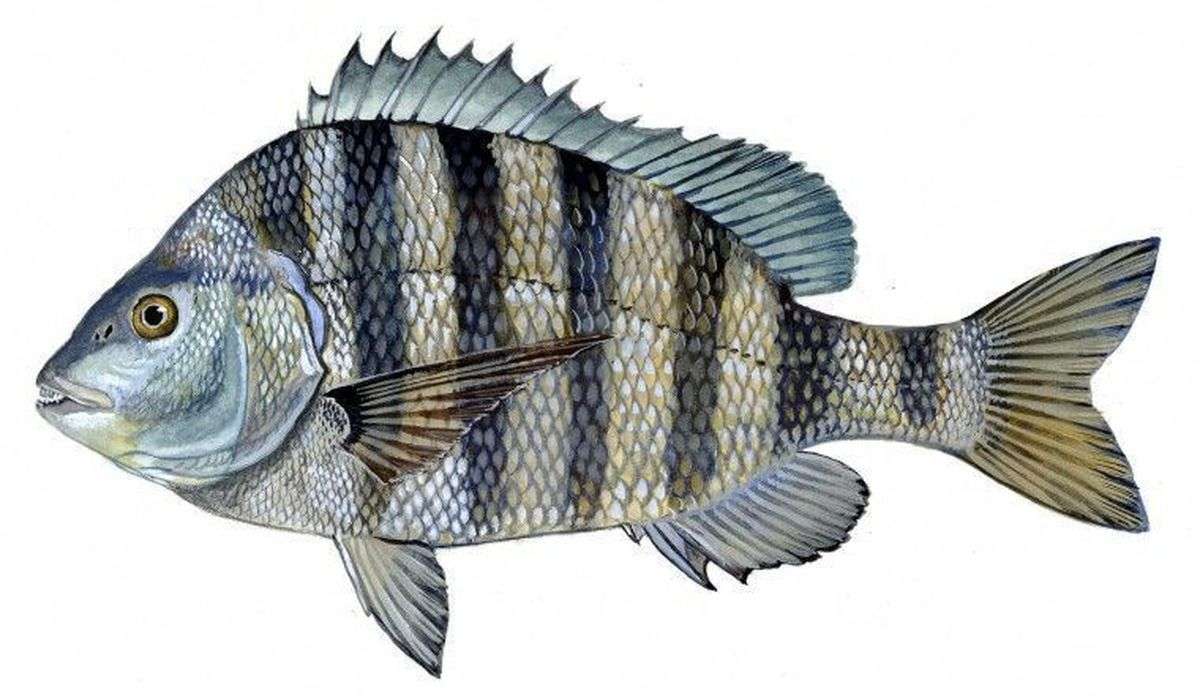
Sheepshead are the "convict fish" of our waters with their distinctive black and white stripes, but don't let their looks fool you - they're excellent eating with sweet, white meat. Most run 1-5 pounds and 14-18 inches, though we occasionally see 8+ pounders around structure. They live around docks, jetties, bridge pilings, and any barnacle-covered structure where they use those human-like teeth to scrape off shellfish. Spring spawning season from March through May is prime time when they gather in large schools. What makes them challenging is they're notorious bait thieves - they'll nibble your shrimp or fiddler crab right off the hook. The key is using small hooks, light line, and setting the hook hard the moment you feel weight. Fish tight to structure with fresh shrimp, and don't be surprised when they test your patience.
Southern Flounder
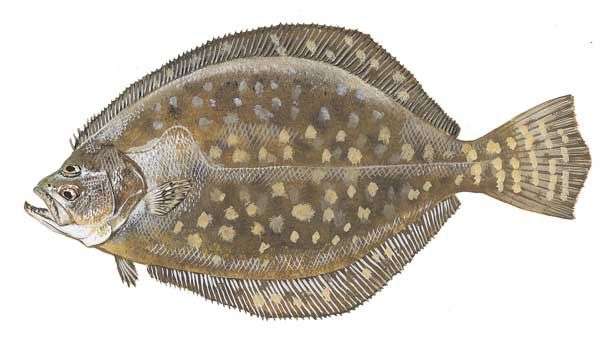
These flatfish are masters of disguise, burying themselves in sandy or muddy bottoms with just their eyes poking up. Most run 15-18 inches and around 5 pounds, but we see some pushing 20+ pounds during cooler months. They're ambush predators that love shallow bays, channels, and drop-offs where they can camouflage perfectly. Fall and winter are prime time when they school up for their offshore spawning runs. What makes them special is that challenge - they're notorious bait thieves with soft mouths, so you need quick reflexes. The meat is white, flaky, and sweet when fresh. Pro tip: use a Carolina rig with live finger mullet or shrimp, and when you feel that subtle tap, wait a second before setting the hook. They like to grab bait sideways first.
About the Haynie
%2F%2Fusers%2F08d994c6-bbb8-4374-b894-f7c313ccf46e%2Fvehicle_picture%2Fb-mn9o0pnr.jpg&w=1920&q=75)
Vehicle Guest Capacity: 4
Manufacturer Name: Mercury
Maximum Cruising Speed: 40
Number of Engines: 1
Horsepower per Engine: 350