%2Ffit-in%2F250x250%2Fguide_websites%2F122331%2Fimages%2F1775010776645villarealguideservice.png&w=1920&q=100)
/users/08d994c6-bbb8-4374-b894-f7c313ccf46e/ratecard/geesehunting2-mnffa47o.png)
%2F300x300%2Fusers%2F08d994c6-bbb8-4374-b894-f7c313ccf46e%2Fratecard%2Fgeesehunting2-mnffa47o.png&w=256&q=75)
%2F300x300%2Fusers%2F08d994c6-bbb8-4374-b894-f7c313ccf46e%2Fimages%2Fspeckled-trout-loyola-beach-fishing-2749.jpg&w=256&q=75)
%2F300x300%2Fusers%2F08d994c6-bbb8-4374-b894-f7c313ccf46e%2Fimages%2Floyola-beach-redfish-trout-catch-2764.jpg&w=256&q=75)
%2F300x300%2Fusers%2F08d994c6-bbb8-4374-b894-f7c313ccf46e%2Fimages%2Floyola-beach-flounder-speckled-trout-2828.jpg&w=256&q=75)
%2F300x300%2Fusers%2F08d994c6-bbb8-4374-b894-f7c313ccf46e%2Fimages%2Fspotted-seatrout-loyola-beach-texas-2611.jpg&w=256&q=75)
%2F300x300%2Fusers%2F08d994c6-bbb8-4374-b894-f7c313ccf46e%2Fimages%2Floyola-beach-fishing-trip-2624.jpg&w=256&q=75)
%2F300x300%2Fusers%2F08d994c6-bbb8-4374-b894-f7c313ccf46e%2Fimages%2Fspanish-mackerel-loyola-beach-texas-2691.jpg&w=256&q=75)
%2F300x300%2Fusers%2F08d994c6-bbb8-4374-b894-f7c313ccf46e%2Fimages%2Fspeckled-trout-loyola-beach-fishing-2676.jpg&w=256&q=75)
%2F300x300%2Fusers%2F08d994c6-bbb8-4374-b894-f7c313ccf46e%2Fimages%2Fspeckled-trout-loyola-beach-texas-2642.jpg&w=256&q=75)
%2F300x300%2Fusers%2F08d994c6-bbb8-4374-b894-f7c313ccf46e%2Fimages%2Floyola-beach-redfish-fishing-boat-2695.jpg&w=256&q=75)
%2F300x300%2Fusers%2F08d994c6-bbb8-4374-b894-f7c313ccf46e%2Fimages%2Floyola-beach-redfish-double-2675.jpg&w=256&q=75)
Expert Guided Alice TX Dove Hunt Villarreal
What you will be catching:
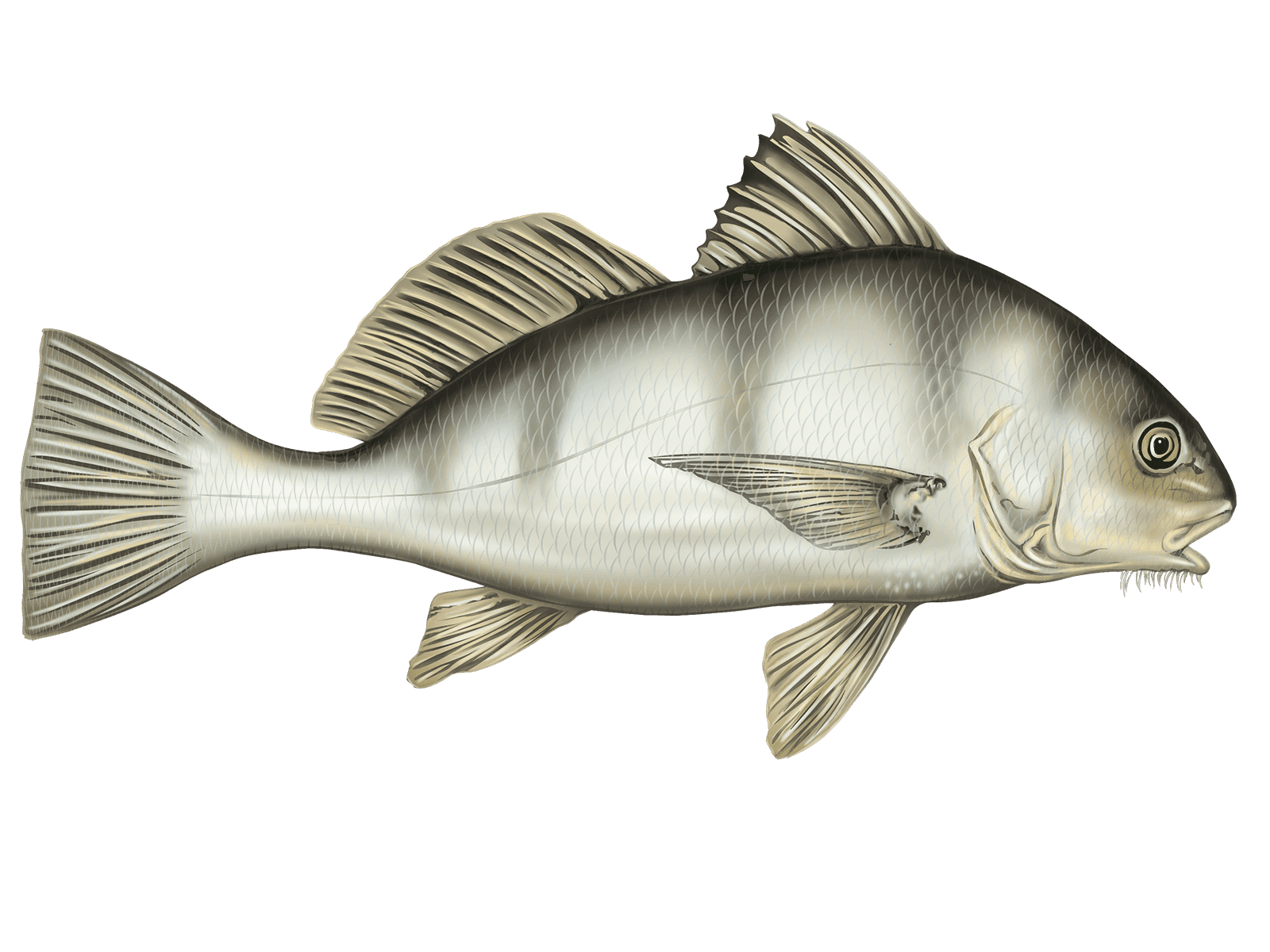
 Black Drum
 Redfish
 Sea Trout
 Sheepshead
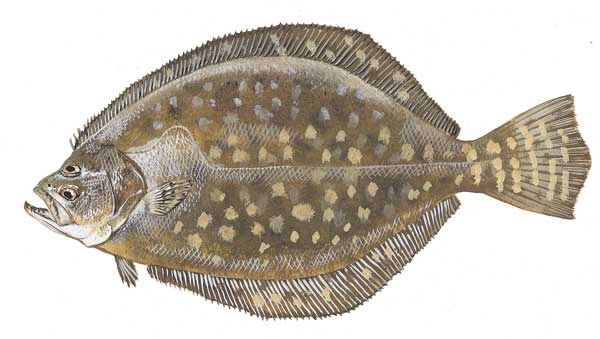 Southern Flounder
- Full-day guided dove hunting in prime Alice, Texas fields
- Two 4-hour sessions targeting peak bird movement times
- All group sizes accommodated with expert local guide service
Trip Pricing and Availabilities:
Full Day Alice Texas Dove Guided Trip
If you're looking for a top-rated dove hunting experience in South Texas, you've found it. This full-day guided hunt in Alice, Texas puts you right in the heart of some of the most productive dove fields in the region. We're talking about an 8-hour adventure that's perfectly timed around when these birds are most active – early morning and late afternoon when they're moving to feed and roost. Whether you're a seasoned hunter or just getting started, this shared hunt offers access to prime hunting grounds that locals have been using for generations.
Inside the Hunt
Here's how your day breaks down: you'll meet up at 6:45 AM for the first 4-hour session when doves are flying out to feed. After a midday break, we regroup at 3:45 PM for the afternoon session as birds head back to their roost sites. This split schedule isn't just convenient – it's strategic. Doves move heaviest during these windows, giving you the best shot opportunities of the day. The shared format means you might be hunting alongside other groups, but don't worry about crowding. These South Texas fields are expansive, and we know how to spread hunters out for maximum success. You'll need to bring your own shotgun, shells, and a valid Texas hunting license. The setup accommodates everyone from solo hunters to large corporate groups, with space for up to 100 people when needed.
Field Setup & Shooting Tips
We hunt from established field positions in agricultural areas where doves naturally feed. Think sunflower fields, grain plots, and areas near stock tanks – the kind of habitat that draws birds like magnets. You'll be positioned along flight paths where doves funnel through, giving you consistent shooting opportunities. The terrain is relatively flat, typical of South Texas, which means easy walking and good visibility. Most shots are taken as birds pass overhead or come into the fields to feed. We recommend bringing a portable stool or bucket since you might be in position for extended periods. Shot size of 7.5 or 8 works best for mourning doves, and don't forget to bring plenty of shells – when the action heats up, you'll go through more than you think. Modified or improved cylinder chokes are your best bet for the varied shooting distances you'll encounter.
Target Species Breakdown
Mourning doves are the stars of this show, and Alice, Texas sits right in one of their major migration corridors. These birds are deceptively challenging targets – they might look like they're flying slow and steady, but they're actually cruising at around 35-40 mph with an unpredictable flight pattern. What makes them so fun to hunt is their sheer numbers during peak season. September through October sees massive flights as northern birds join year-round residents heading south for winter. Mourning doves feed heavily on seeds from agricultural crops, which is why these Alice-area fields are so productive. They're also creatures of habit, using the same flight routes day after day, which is exactly what we capitalize on. A successful dove hunt here might yield 10-15 birds per hunter on a good day, and the fast-paced action keeps things exciting from start to finish. The best part? These birds provide excellent table fare – their breast meat is considered a delicacy among game bird enthusiasts.
White-winged doves also frequent these same areas, especially during late summer and early fall. They're slightly larger than mourning doves and have a more predictable flight pattern, making them a favorite target for newer hunters. White-wings tend to fly in larger flocks and are more vocal, often giving away their approach with their distinctive cooing calls. In the Alice area, they're particularly drawn to sunflower fields and areas near mesquite trees where they roost. Their season overlaps perfectly with mourning dove season, giving hunters variety in their bag. These birds are also excellent eating and their larger size makes them easier to clean.
Book Your Next Hunt
This world-class dove hunting experience gives you access to some of the most consistent bird populations in South Texas. The professional setup, prime field locations, and strategic timing make it a customer favorite that hunters return to year after year. Whether you're looking to introduce someone new to hunting or you're a seasoned wingshooter wanting to get your limit, this Alice, Texas hunt delivers. The shared format keeps costs reasonable while still providing that authentic South Texas hunting experience. Check availability early – these September and October dates fill up fast once word gets out about how the birds are flying. Bring your gear, bring your appetite for fast-paced action, and get ready for the kind of dove hunting that makes Texas famous.
Learn more about the animals
Black Drum
Black drum are the heavyweights of the drum family, ranging from 5-30 pounds but capable of hitting 90 pounds. These powerful fish have crushing jaws built for oysters and crabs. You'll find them around oyster beds, muddy flats, and shallow structure in brackish waters throughout our coastal areas. They make distinctive drumming sounds you can actually hear underwater during spawning season in spring - that's prime time when they school up and are easier to target. Guests love the strong, steady fight they put up, though stick to fish under 15 pounds for better eating. The smaller ones have sweet, flaky meat. Pro tip: fresh blue crab or peeler crab works best since it stays on the hook better than softer baits and doesn't attract catfish.
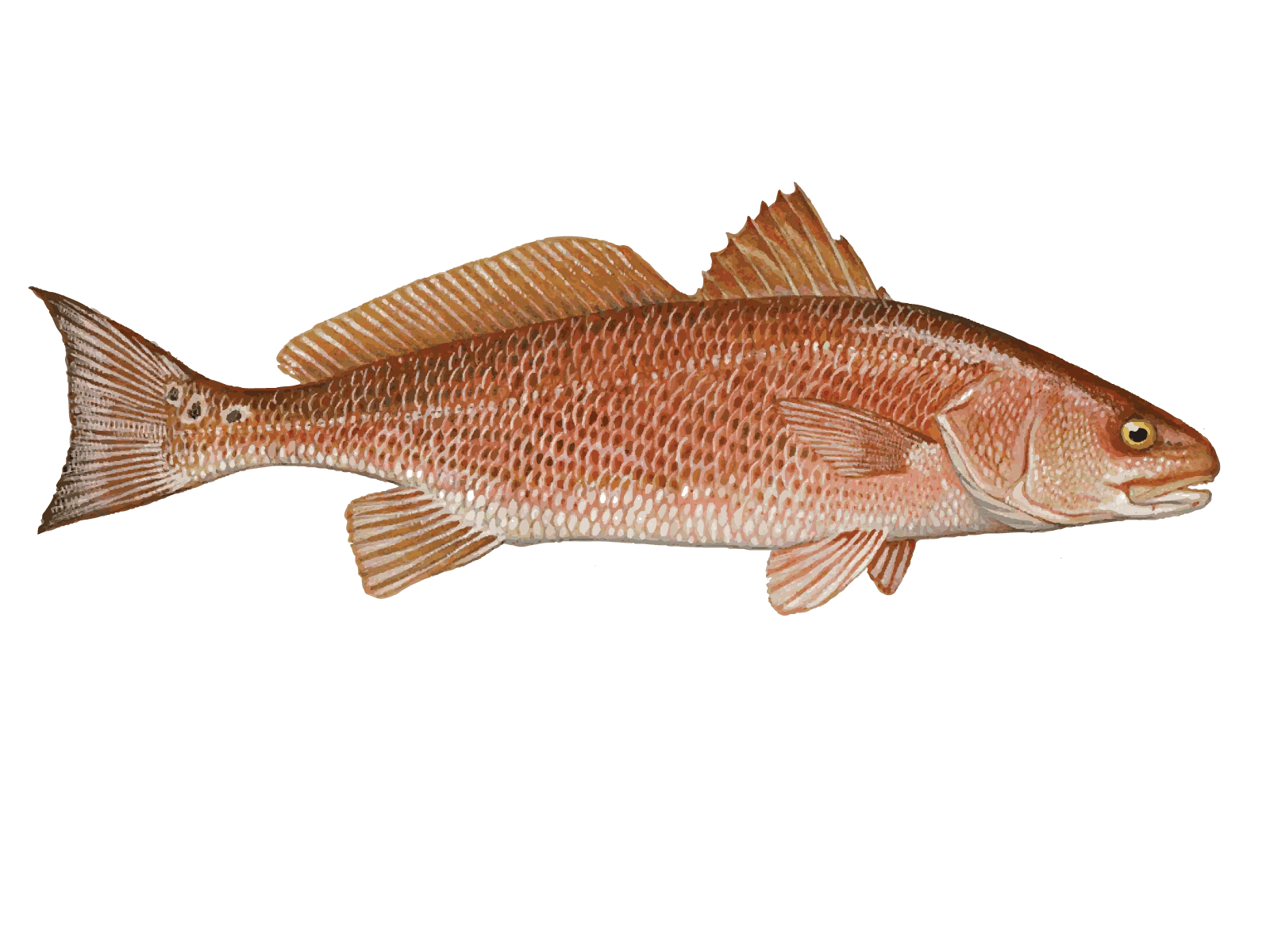
Redfish
Redfish are the poster fish of shallow water fishing - copper-colored backs with distinctive black spots near the tail that fool predators. These drum family members run 20-40 inches in our waters, preferring super shallow flats where you'll sometimes see their backs out of water. They love oyster reefs, grass beds, and muddy bottoms in 1-4 feet of water. Year-round fishing is good, but fall and spring offer the best action when they're most active. What makes them special is their willingness to eat almost anything and their powerful runs when hooked. The meat on smaller fish is excellent with a mild, sweet flavor. My top tip: look for "tailing" fish in shallow water during calm conditions. Approach quietly and cast your lure or live shrimp just ahead of where they're feeding - the strike will surprise you every time.
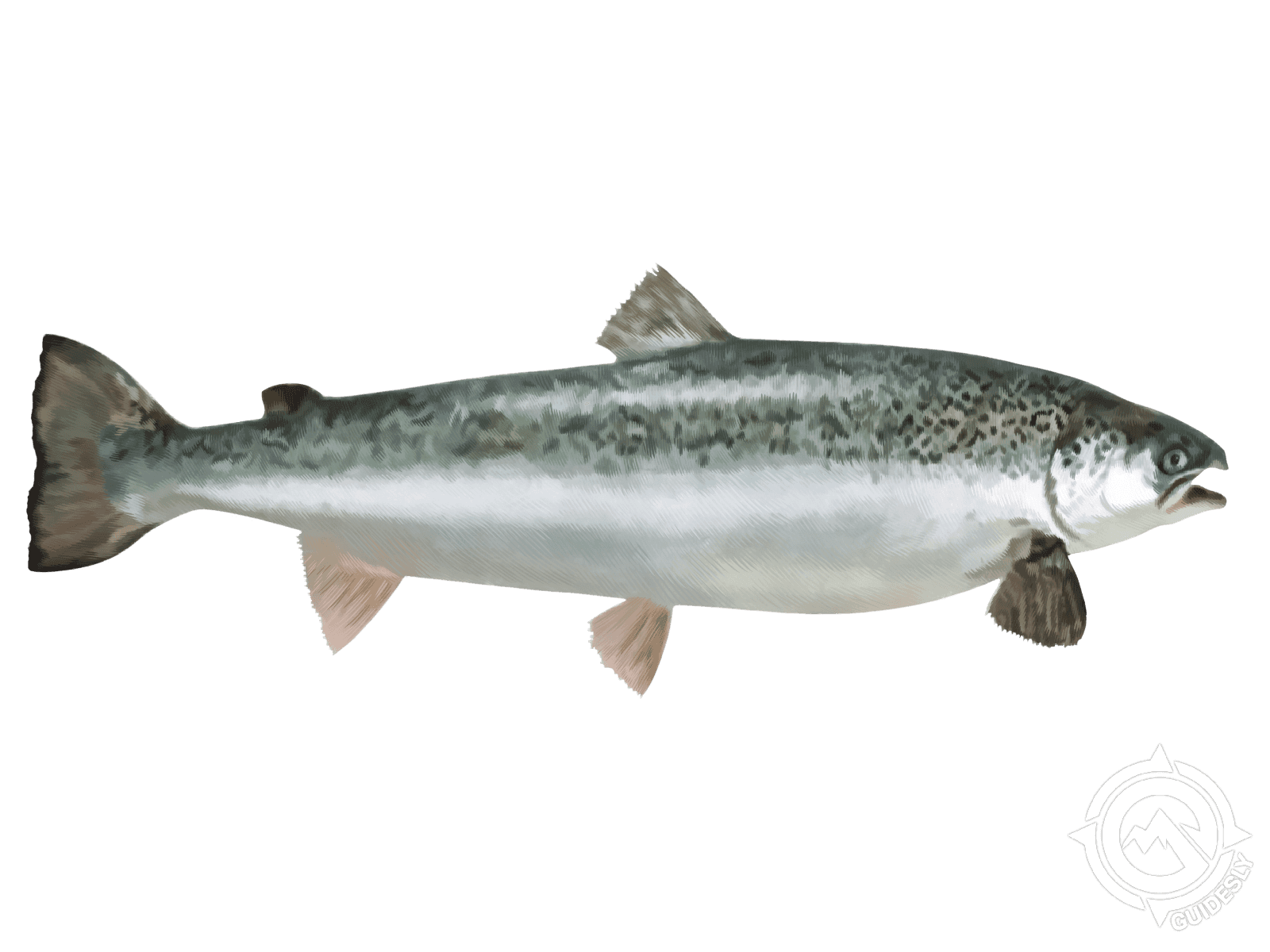
Sea Trout
Speckled trout are a favorite for good reason - they're aggressive feeders that hit lures hard and taste great on the table. These spotted beauties typically run 14-24 inches and 1-5 pounds, with that classic torpedo shape and silvery sides covered in spots. Look for them over grass flats in 2-6 feet of water, especially during dawn and dusk when they're actively feeding on shrimp and small fish. They school up in deeper channels during winter months. Guests love them because they're willing biters that put up a good scrap, plus the white, flaky meat is some of the best eating around - just don't overcook it. My local trick: work topwater plugs or soft plastic shrimp imitations over the grass beds at first light. When you find one, work the area thoroughly since they usually travel in small groups.
Sheepshead
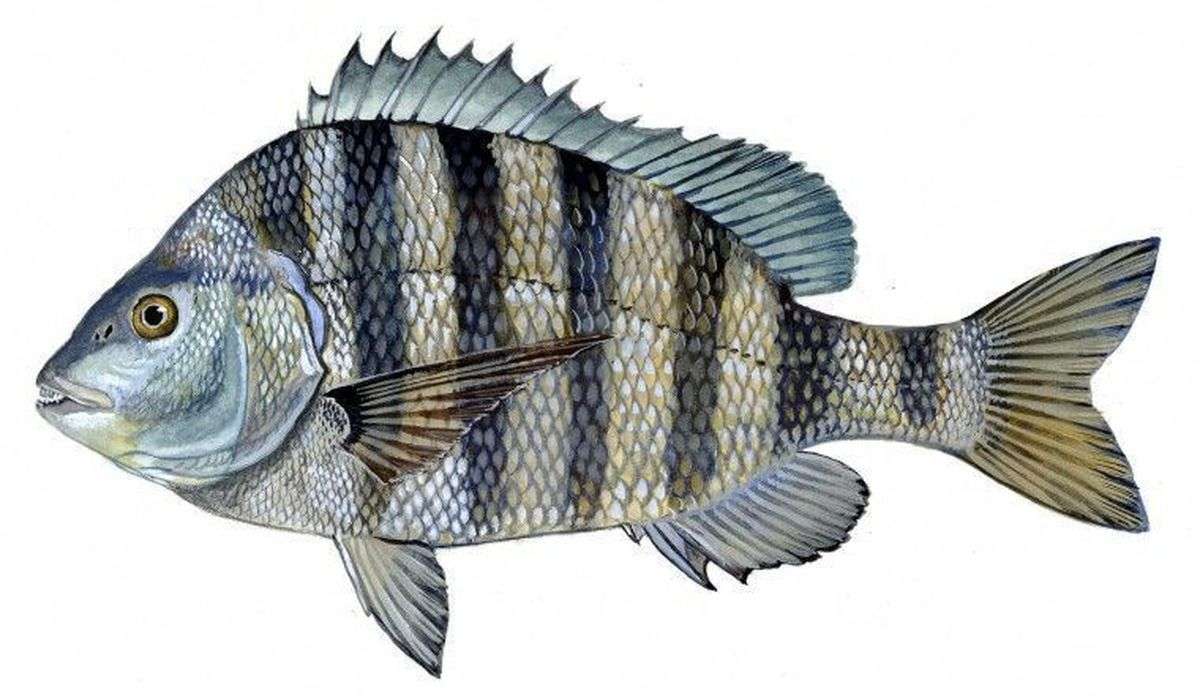
Sheepshead are the "convict fish" with their distinctive black and white stripes, but what really sets them apart are their human-like teeth - perfect for crushing barnacles and crabs. These 1-8 pound fish love any kind of structure: docks, bridges, pilings, and reefs. They're notorious bait thieves, so you need to stay sharp and set the hook hard when you feel that subtle nibble. Spring months are prime time, especially around spawning season. What guests love is the challenge - they're tricky to hook but fight well once you've got them. Plus, the meat is outstanding with sweet, white flesh. My go-to trick: get as close to structure as possible with fresh shrimp or fiddler crab, and if legal, scrape some barnacles off the pilings to create a chum slick that draws them right to you.
Southern Flounder
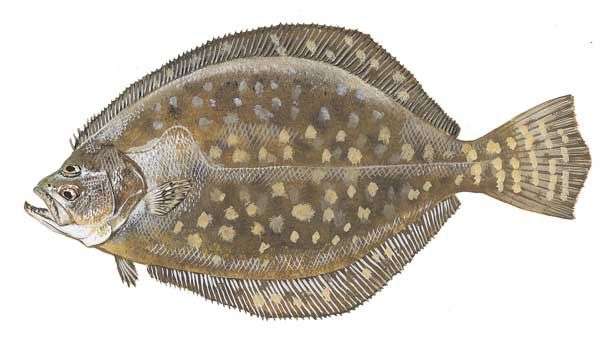
These flat fish are masters of disguise, burying themselves in sand and mud bottoms where they ambush prey. You'll find them in 15-33 inch range, typically weighing around 5 pounds. What makes them unique is having both eyes on their left side - pretty wild when you first see one! They love shallow coastal waters, bays, and estuaries with sandy or muddy bottoms. Best fishing happens during cooler months when adults move offshore for winter. Guests love the challenge since these guys are sneaky bait thieves and put up a solid fight. The meat is excellent eating too - white and flaky. My tip: use drift fishing with live mullet or shrimp on a slip sinker rig. Keep your bait moving slowly along the bottom and watch for subtle taps rather than hard strikes.
About the Haynie
%2F%2Fusers%2F08d994c6-bbb8-4374-b894-f7c313ccf46e%2Fvehicle_picture%2Fb-mn9o0pnr.jpg&w=1920&q=75)
Vehicle Guest Capacity: 4
Manufacturer Name: Mercury
Maximum Cruising Speed: 40
Number of Engines: 1
Horsepower per Engine: 350