%2Ffit-in%2F250x250%2Fguide_websites%2F122331%2Fimages%2F1775010776645villarealguideservice.png&w=1920&q=100)
/users/08d994c6-bbb8-4374-b894-f7c313ccf46e/ratecard/14-mn9o98um.jpg)
%2F300x300%2Fusers%2F08d994c6-bbb8-4374-b894-f7c313ccf46e%2Fratecard%2F14-mn9o98um.jpg&w=256&q=75)
%2F300x300%2Fusers%2F08d994c6-bbb8-4374-b894-f7c313ccf46e%2Fimages%2Fspeckled-trout-loyola-beach-fishing-2749.jpg&w=256&q=75)
%2F300x300%2Fusers%2F08d994c6-bbb8-4374-b894-f7c313ccf46e%2Fimages%2Floyola-beach-redfish-trout-catch-2764.jpg&w=256&q=75)
%2F300x300%2Fusers%2F08d994c6-bbb8-4374-b894-f7c313ccf46e%2Fimages%2Floyola-beach-flounder-speckled-trout-2828.jpg&w=256&q=75)
%2F300x300%2Fusers%2F08d994c6-bbb8-4374-b894-f7c313ccf46e%2Fimages%2Fspotted-seatrout-loyola-beach-texas-2611.jpg&w=256&q=75)
%2F300x300%2Fusers%2F08d994c6-bbb8-4374-b894-f7c313ccf46e%2Fimages%2Floyola-beach-fishing-trip-2624.jpg&w=256&q=75)
%2F300x300%2Fusers%2F08d994c6-bbb8-4374-b894-f7c313ccf46e%2Fimages%2Fspanish-mackerel-loyola-beach-texas-2691.jpg&w=256&q=75)
%2F300x300%2Fusers%2F08d994c6-bbb8-4374-b894-f7c313ccf46e%2Fimages%2Fspeckled-trout-loyola-beach-fishing-2676.jpg&w=256&q=75)
%2F300x300%2Fusers%2F08d994c6-bbb8-4374-b894-f7c313ccf46e%2Fimages%2Fspeckled-trout-loyola-beach-texas-2642.jpg&w=256&q=75)
%2F300x300%2Fusers%2F08d994c6-bbb8-4374-b894-f7c313ccf46e%2Fimages%2Floyola-beach-redfish-fishing-boat-2695.jpg&w=256&q=75)
%2F300x300%2Fusers%2F08d994c6-bbb8-4374-b894-f7c313ccf46e%2Fimages%2Floyola-beach-redfish-double-2675.jpg&w=256&q=75)
Loyola Beach Inshore Fishing Charter Villarreal
What you will be catching:
 Black Drum
 Redfish
 Sea Trout
 Sheepshead
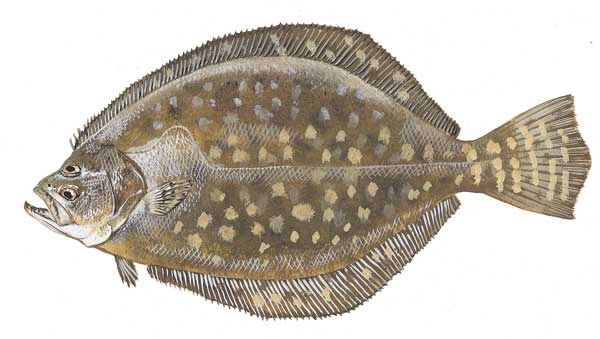 Southern Flounder
- 5-hour morning charter targeting speckled trout and redfish year-round
- Light tackle fishing in productive Corpus Christi Bay and Port Mansfield waters
- Accommodates up to 4 anglers with expert captain and adaptive techniques
Trip Pricing and Availabilities:
Half-day Loyola Beach Inshore Fishing Charter
If you're looking to get on some quality Texas inshore fishing without burning a whole day, this morning charter out of Loyola Beach is exactly what you need. We'll spend 5 hours working the productive waters from Corpus Christi Bay down toward Port Mansfield, targeting the species that make this stretch of coast famous among anglers. Whether you're bringing the kids for their first real fishing trip or you're a seasoned angler wanting to dial in on some solid inshore action, this trip delivers consistent results in some of the most fish-rich waters along the Texas coast.
What to Expect on the Water
This top-rated morning charter kicks off early to take advantage of prime feeding times when fish are most active. We'll launch from Loyola Beach and head to productive areas based on current conditions, tides, and seasonal patterns. The beauty of fishing this section of the Texas coast is the variety – one cast you might be fighting a bull redfish in shallow grass flats, the next you're working a school of trout over structure. Our 4-person capacity keeps things comfortable and ensures everyone gets plenty of individual attention and coaching. The morning schedule works perfectly for families with younger kids who fish best before the heat sets in, plus it leaves your afternoon open for other activities. Don't worry about skill level – we've guided everyone from first-timers who've never held a rod to tournament anglers fine-tuning their techniques.
Light Tackle & Popping Corks
We primarily fish with light tackle setups that give you the perfect balance of sport and effectiveness for inshore species. Popping corks are our go-to presentation – there's something magical about that distinctive "pop" that drives redfish and trout absolutely crazy. We'll rig you up with live shrimp or soft plastics under the cork, adjusting leader length and weight based on water depth and fish behavior. When conditions call for it, we might switch to straight artificial presentations with paddle tails, topwater plugs, or spoons. The key is staying flexible and reading what the fish want on any given day. Water temperature, wind direction, tide movement, and bait activity all factor into our approach. You'll learn to work different structures – from oyster reefs and grass beds to drop-offs and channel edges where these fish love to ambush prey.
Species You'll Want to Hook
Redfish are the crown jewel of Texas inshore fishing, and this area produces some beauties. These copper-colored fighters typically run 18 to 28 inches through most of the year, with bigger bulls showing up during their fall spawning runs. Redfish are notorious for their initial bulldogging runs and their ability to use structure to their advantage. They're most active during moving water, especially on incoming tides when baitfish get pushed into the shallows. What makes reds so exciting is their aggressive nature – they'll crash a popping cork with authority that gets your heart pumping every time.
Sea Trout, or "specks" as locals call them, are the bread-and-butter species that keep action consistent throughout the trip. These spotted beauties average 14 to 20 inches and are renowned for their delicate bite and impressive jumping ability. Trout fishing peaks during spring and fall when water temperatures are ideal, but we catch them year-round by adjusting our techniques and locations. They school up over grass beds and soft bottom areas, and once you locate a good group, the action can be fast and furious. Specks are also excellent table fare, making them a customer favorite for anglers wanting to take home a fresh dinner.
Black Drum are the workhorses of the inshore scene, with fish ranging from puppy drum around 12 inches to hefty adults pushing 30-plus inches and 15 pounds. These bottom-feeders are most active during cooler months and provide serious arm-burning fights on light tackle. They're often found around oyster reefs and structure where they root for crabs and shellfish. Black drum have a unique feeding pattern – they can be finicky one moment and absolutely ravenous the next, making them an interesting target that tests your patience and technique.
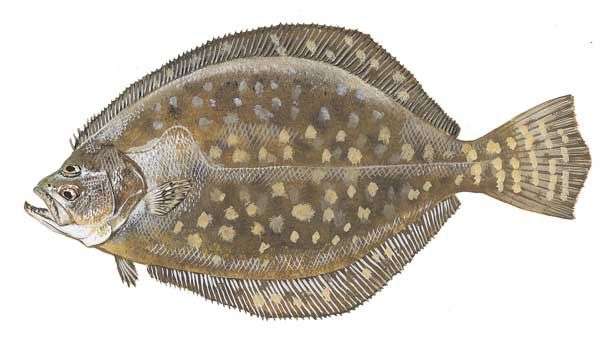
Southern Flounder add an element of surprise to every trip, lying camouflaged on sandy and muddy bottoms waiting to ambush unsuspecting prey. These flatfish are masters of disguise and provide a completely different fishing experience from the other species. Flounder fishing is best during their fall migration when they move toward passes and deeper water to spawn. They typically range from 14 to 20 inches, and their unique fighting style – more like wrestling than typical fish fighting – always gets a laugh from first-time flounder catchers.
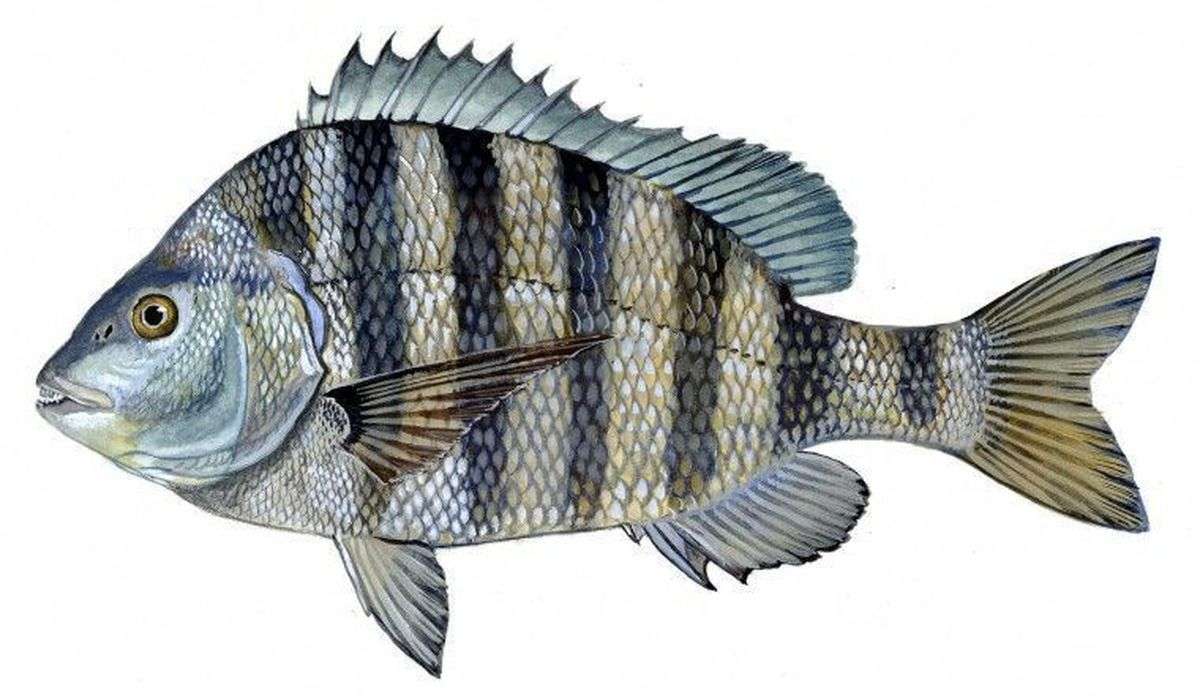
Sheepshead round out our target species list and are the thieves of the bunch. These black-and-white striped convicts have human-like teeth and are notorious bait stealers, making them both frustrating and rewarding to catch. They're structure-oriented fish, hanging around pilings, reefs, and anywhere there are barnacles and crustaceans to feed on. Sheepshead fishing requires finesse and quick reflexes, but once you dial in their subtle bite, they become addictive targets. They're also world-class table fare, with sweet, firm meat that rivals any fish in the Gulf.
Time to Book Your Spot
This best trip option combines everything that makes Texas inshore fishing special – consistent action, diverse species, and waters that produce year-round. The half-day format is perfect for trying inshore fishing for the first time or fitting quality fishing into a busy schedule. With Villarreal Guide Services, you're getting local knowledge that only comes from years of working these waters daily, plus the kind of personalized attention that turns good fishing trips into great ones. Morning slots fill up fast, especially during prime seasons, so don't wait to secure your date. Whether you're looking to introduce someone to fishing, improve your technique, or just get out and catch some fish, this charter delivers the goods every time
Learn more about the species
Black Drum
Black Drum are the heavyweights of our inshore waters, commonly running 5-15 pounds but capable of reaching 30+ pounds. These powerful fish have crushing jaws built for oysters and crabs, and they'll test your drag when hooked. Look for them around oyster reefs, shallow muddy flats, and creek mouths in 2-8 feet of water. Spring is peak season when they school up for spawning - that's when you'll hear their signature drumming sounds underwater. What guests love most is the strong, steady fight and the satisfying bend they put in your rod. The smaller ones under 15 pounds make great table fare with flaky white meat. My go-to technique: fish fresh crab or cut mullet on the bottom near oyster beds. Use enough weight to stay put, and when you feel that steady pull, lean into them hard - they've got tough mouths.
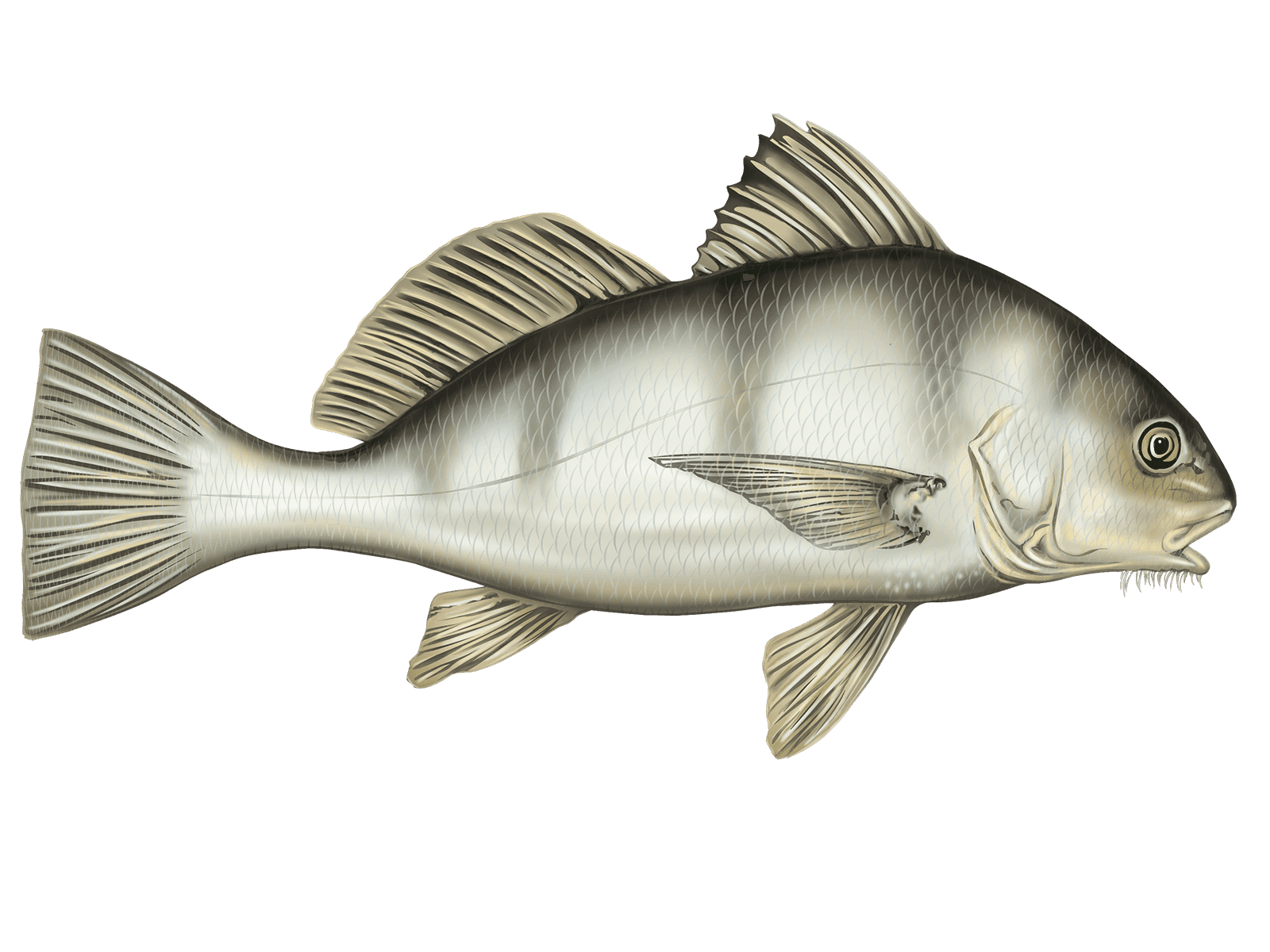
Redfish
Redfish are the crown jewel of our inshore waters, averaging 20-30 inches and known for their bronze backs and distinctive black spots near the tail. These powerful fish cruise shallow flats, oyster reefs, and grass beds in 1-4 feet of water - sometimes so shallow their backs stick out. They're active year-round but fall and spring offer the best action when they school up. What makes them special is their bulldogging fight and the way they'll take topwater lures in skinny water, creating heart-stopping surface explosions. Plus, they're protected gamefish, so every catch feels special. The meat on smaller reds is sweet and flaky, perfect for blackening. My favorite approach: look for nervous water or tailing fish on the flats. Cast a gold spoon or soft plastic ahead of cruising fish and work it slowly. When they eat, hold on tight - they'll make long, powerful runs.
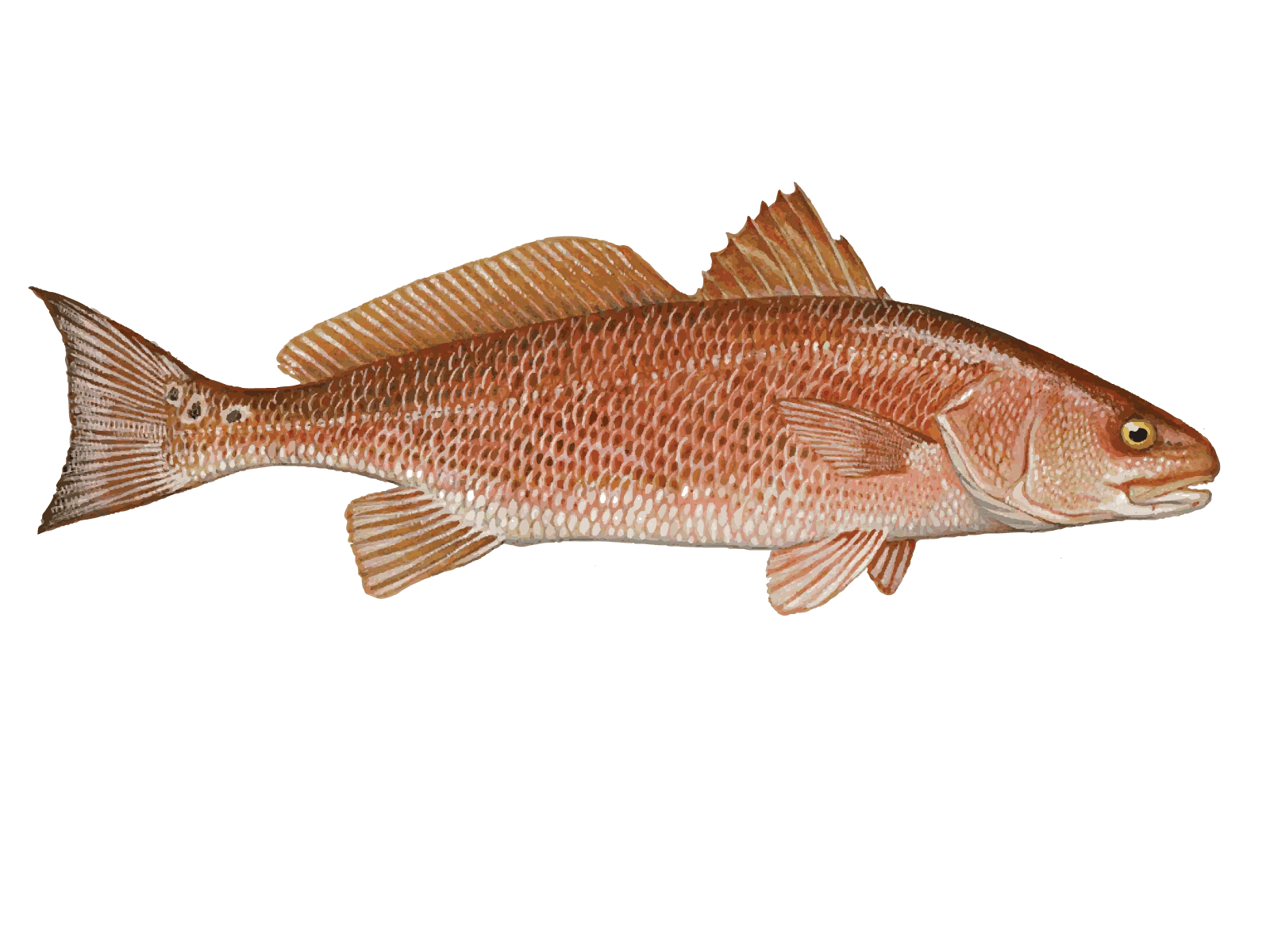
Sea Trout
Speckled Trout are the bread and butter of our inshore fishing, running 14-20 inches and 1-3 pounds on average. These spotted beauties love grass flats, shallow bayous, and drop-offs in 3-8 feet of water where they ambush shrimp and baitfish. They're most active during cooler months and low-light periods - dawn, dusk, and overcast days are prime time. What guests love is their willingness to bite and their excellent eating quality - tender, white meat that's perfect for the dinner table. They're also great for beginners since they're forgiving and fight well on light tackle. The key is working the water column; they suspend at different depths depending on conditions. My tip: use a popping cork with live shrimp about 18 inches below. When the cork goes under, wait a second then set the hook - they're soft-mouthed and will tear off if you're too aggressive.
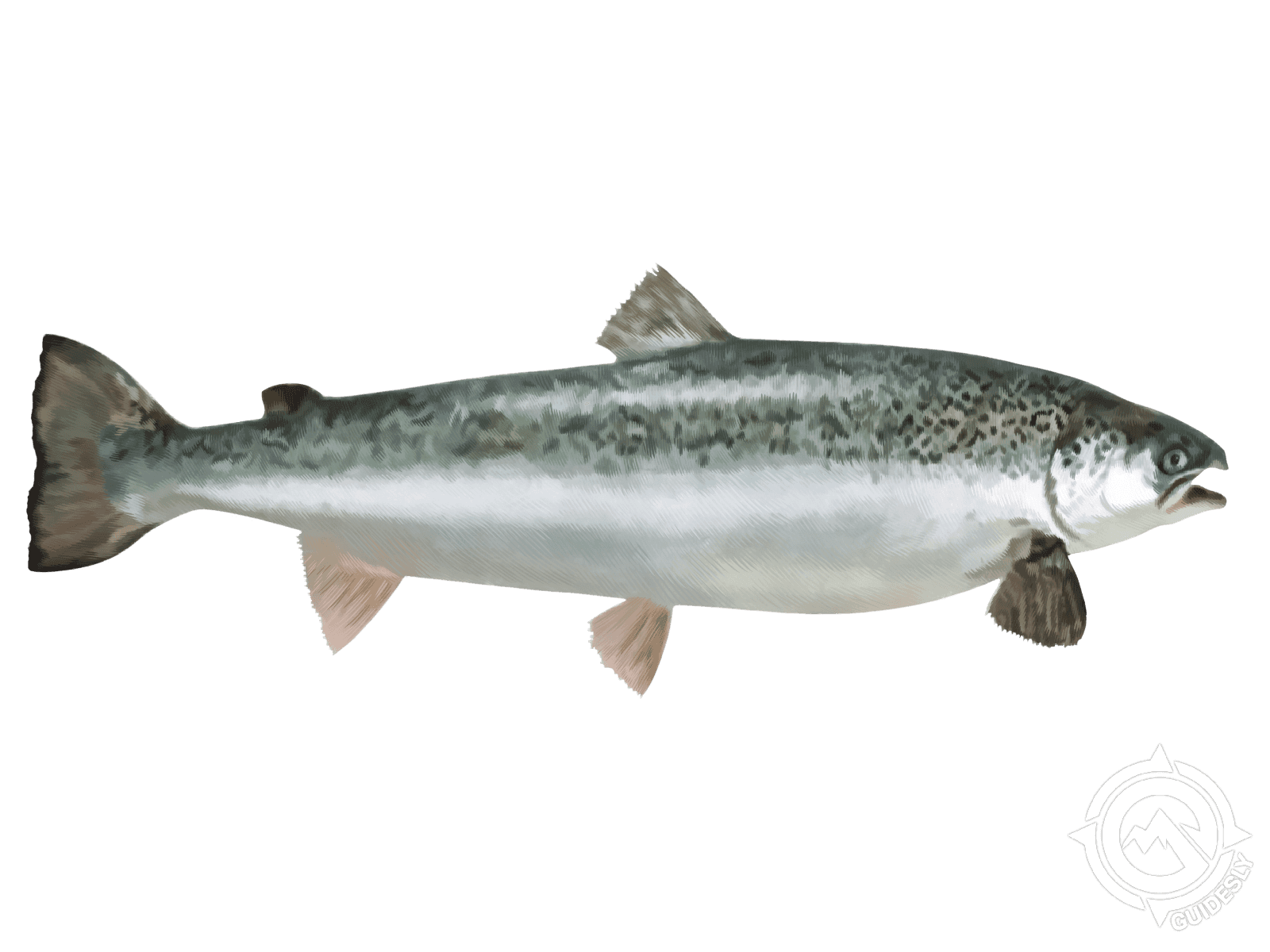
Sheepshead
Sheepshead are the "convict fish" of our waters with their distinctive black and white stripes, but don't let their looks fool you - they're some of the craftiest fish around. These 2-5 pound bait thieves have human-like teeth perfect for crushing barnacles and crabs off pilings and structure. You'll find them tight to docks, bridge pilings, and oyster reefs year-round, with spring being prime time when they spawn in big numbers. What makes them special? They're notorious for their light bites and excellent table fare - sweet, flaky white meat that rivals snapper. The challenge is what hooks most anglers; they'll steal your bait before you know it. My secret: use small hooks with fresh shrimp or fiddler crabs, keep your line tight, and set the hook at the slightest tick. Fish as close to structure as possible without getting hung up.
Southern Flounder
Southern Flounder are masters of disguise - these flat fish bury themselves in sandy or muddy bottoms and change color to match their surroundings. They're ambush predators with both eyes on their left side, typically running 15-18 inches and 3-5 pounds in our waters. You'll find them along channel edges, around structure, and over soft bottoms in 2-15 feet of water. Fall and winter are prime time when they're moving toward passes to spawn. What makes them special? They fight surprisingly hard for a flatfish, and they're some of the best eating you'll find - sweet, white meat that's hard to beat. My tip: use a slow drift with live finger mullet or shrimp on a Carolina rig. When you feel that subtle tap, count to three before setting the hook - they need time to turn the bait around.
About the Haynie
%2F%2Fusers%2F08d994c6-bbb8-4374-b894-f7c313ccf46e%2Fvehicle_picture%2Fb-mn9o0pnr.jpg&w=1920&q=75)
Vehicle Guest Capacity: 4
Manufacturer Name: Mercury
Maximum Cruising Speed: 40
Number of Engines: 1
Horsepower per Engine: 350