%2Ffit-in%2F250x250%2Fguide_websites%2F122331%2Fimages%2F1775010776645villarealguideservice.png&w=1920&q=100)
/users/08d994c6-bbb8-4374-b894-f7c313ccf46e/ratecard/5-mn9rytul.jpg)
%2F300x300%2Fusers%2F08d994c6-bbb8-4374-b894-f7c313ccf46e%2Fratecard%2F5-mn9rytul.jpg&w=256&q=75)
%2F300x300%2Fusers%2F08d994c6-bbb8-4374-b894-f7c313ccf46e%2Fimages%2Fspeckled-trout-loyola-beach-fishing-2749.jpg&w=256&q=75)
%2F300x300%2Fusers%2F08d994c6-bbb8-4374-b894-f7c313ccf46e%2Fimages%2Floyola-beach-redfish-trout-catch-2764.jpg&w=256&q=75)
%2F300x300%2Fusers%2F08d994c6-bbb8-4374-b894-f7c313ccf46e%2Fimages%2Floyola-beach-flounder-speckled-trout-2828.jpg&w=256&q=75)
%2F300x300%2Fusers%2F08d994c6-bbb8-4374-b894-f7c313ccf46e%2Fimages%2Fspotted-seatrout-loyola-beach-texas-2611.jpg&w=256&q=75)
%2F300x300%2Fusers%2F08d994c6-bbb8-4374-b894-f7c313ccf46e%2Fimages%2Floyola-beach-fishing-trip-2624.jpg&w=256&q=75)
%2F300x300%2Fusers%2F08d994c6-bbb8-4374-b894-f7c313ccf46e%2Fimages%2Fspanish-mackerel-loyola-beach-texas-2691.jpg&w=256&q=75)
%2F300x300%2Fusers%2F08d994c6-bbb8-4374-b894-f7c313ccf46e%2Fimages%2Fspeckled-trout-loyola-beach-fishing-2676.jpg&w=256&q=75)
%2F300x300%2Fusers%2F08d994c6-bbb8-4374-b894-f7c313ccf46e%2Fimages%2Fspeckled-trout-loyola-beach-texas-2642.jpg&w=256&q=75)
%2F300x300%2Fusers%2F08d994c6-bbb8-4374-b894-f7c313ccf46e%2Fimages%2Floyola-beach-redfish-fishing-boat-2695.jpg&w=256&q=75)
%2F300x300%2Fusers%2F08d994c6-bbb8-4374-b894-f7c313ccf46e%2Fimages%2Floyola-beach-redfish-double-2675.jpg&w=256&q=75)
Pro Redfish Trout Charter Loyola Beach Villarreal
What you will be catching:
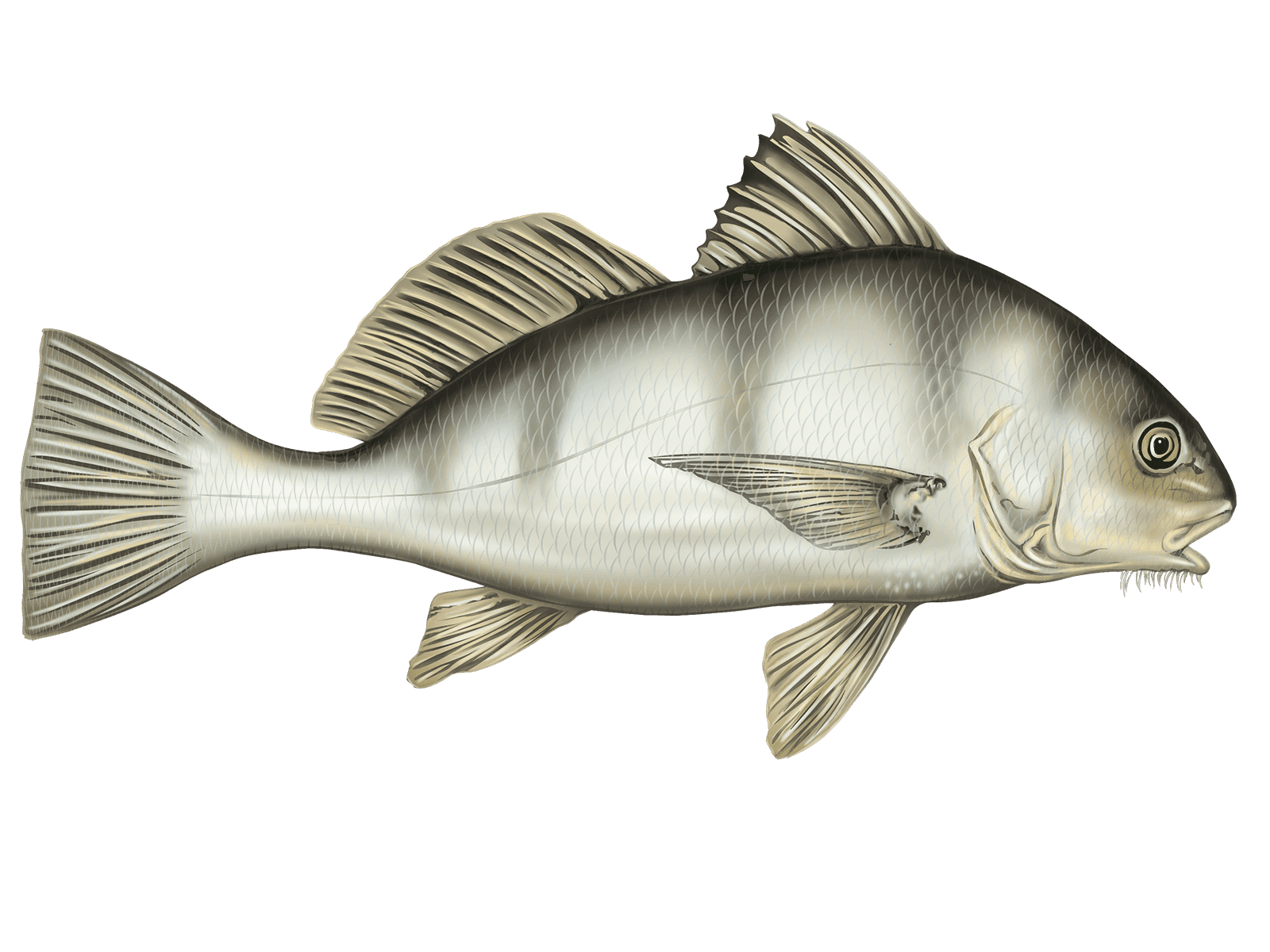
 Black Drum
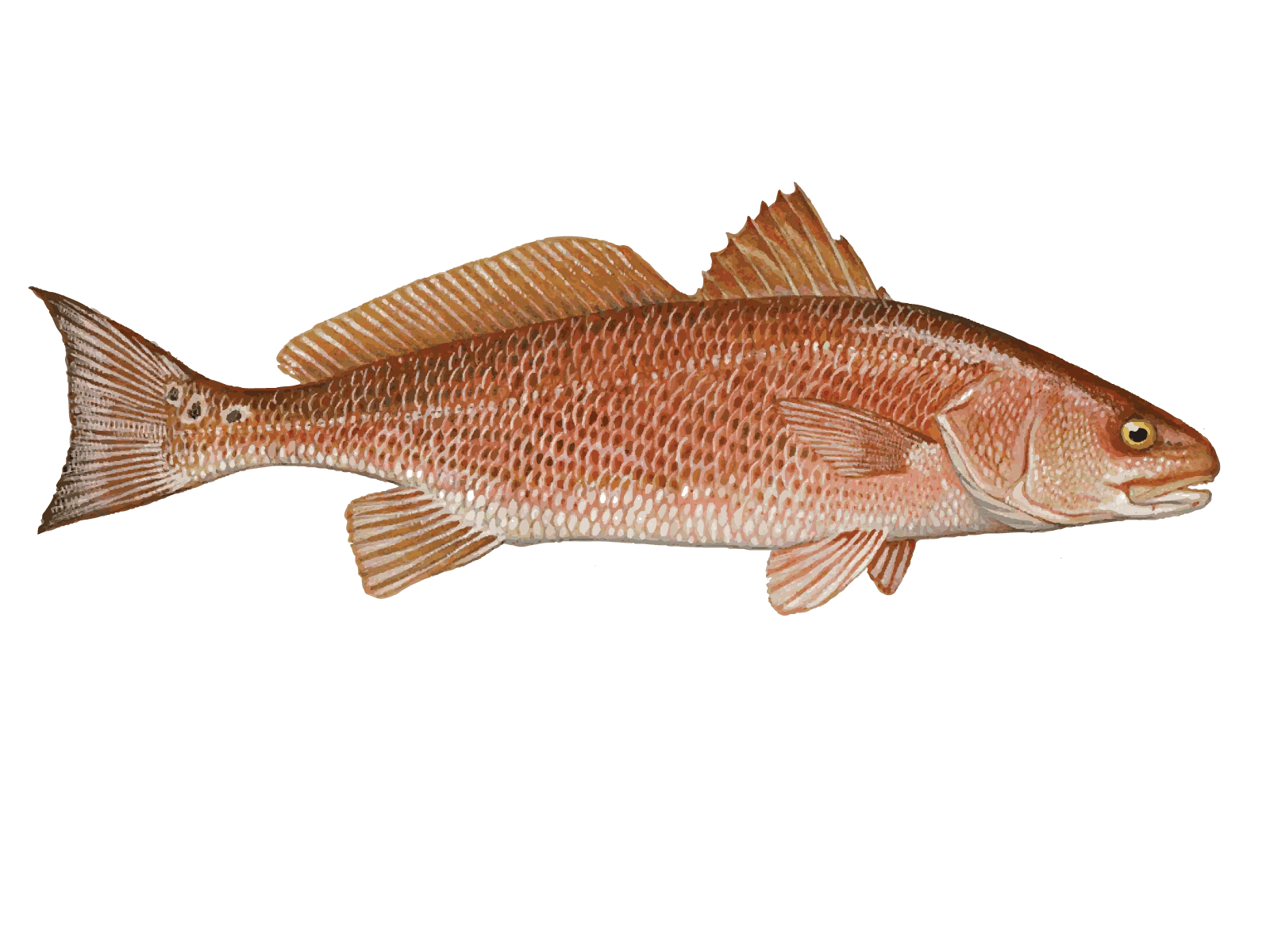
 Redfish
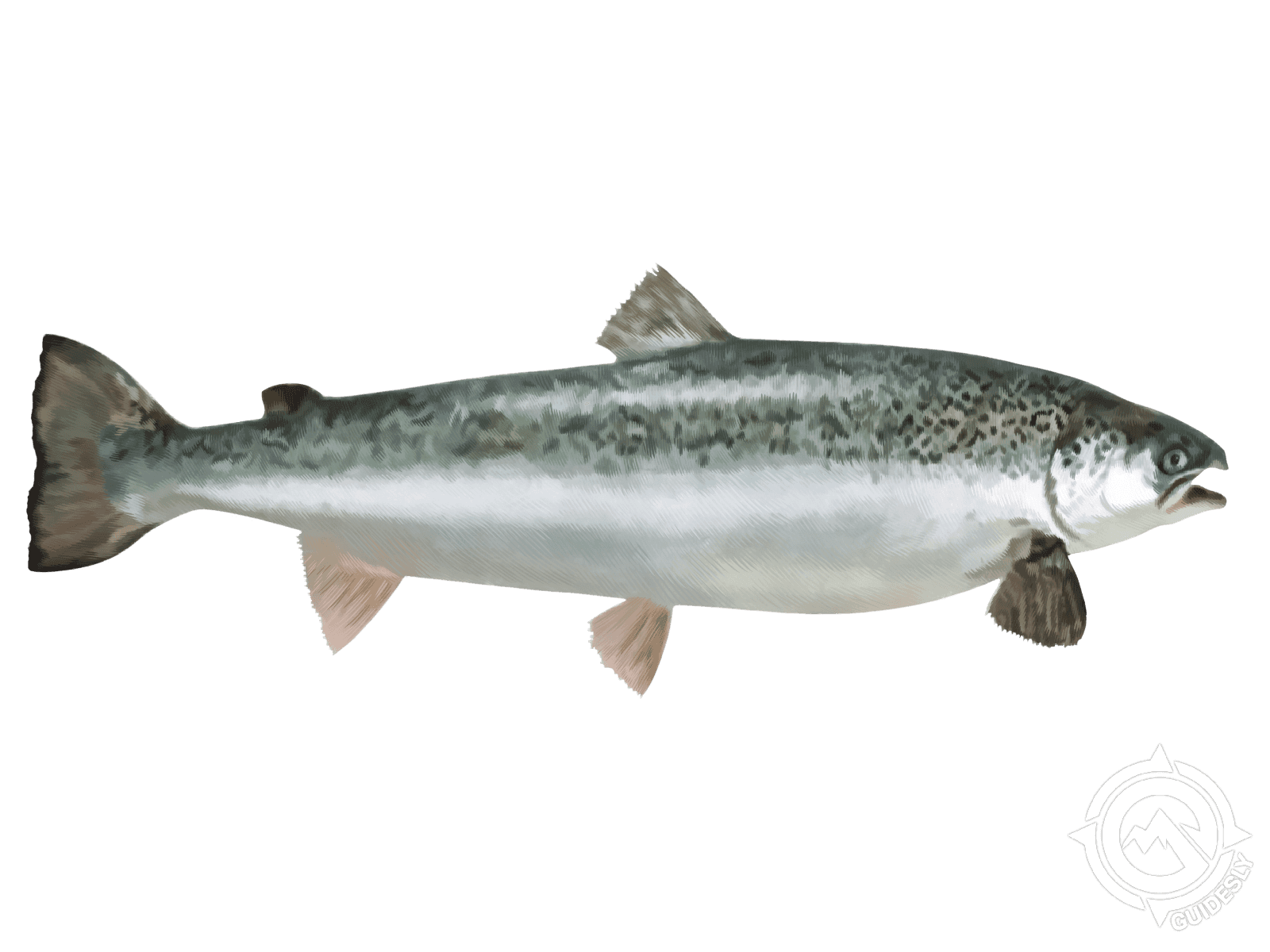
 Sea Trout
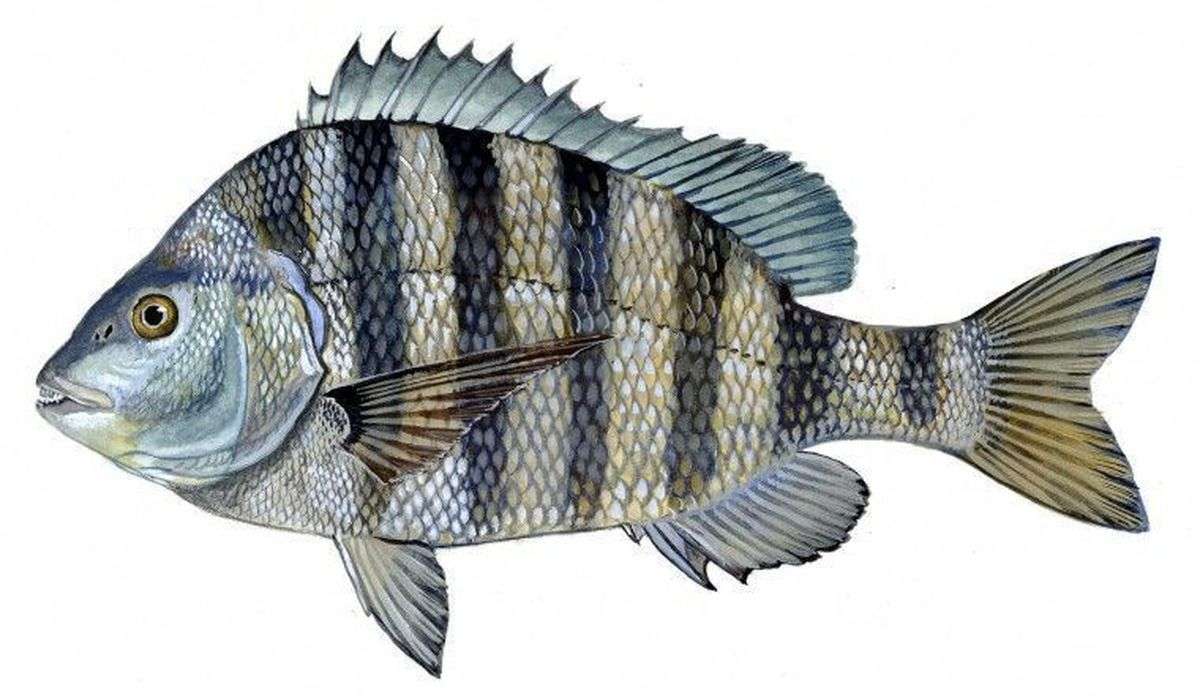
 Sheepshead
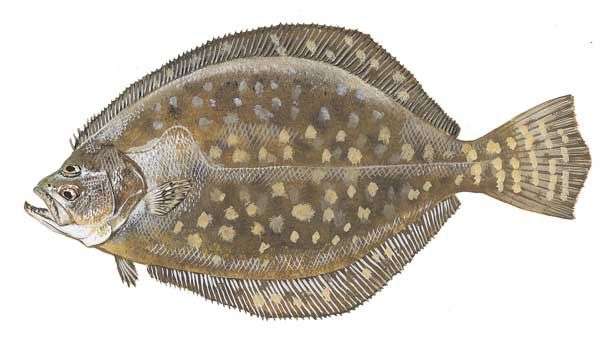
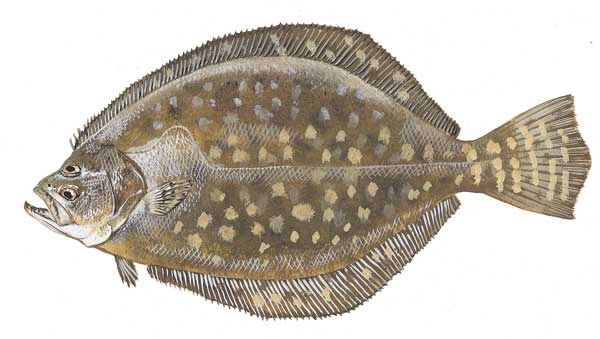 Southern Flounder
- 5-hour inshore charter targeting redfish and speckled trout
- Light tackle fishing from Corpus Christi Bay to Port Mansfield
- Personalized small boat experience with technical presentations
Trip Pricing and Availabilities:
Loyola Beach Pro-Fishing Charter for Reds & Trout
If you're looking for serious inshore action along the Texas coast, this 5-hour pro-level charter out of Loyola Beach is built for anglers who know their way around a rod. Captain Villarreal runs a tight ship focused on technical fishing across some of the most productive waters from Corpus Christi Bay down to Port Mansfield. This isn't a hand-holding trip – it's designed for experienced fishermen who want to dial in their skills while chasing trophy redfish, speckled trout, black drum, sheepshead, and flounder in waters that consistently produce. With only 4 spots available, you'll get the personalized attention and flexibility that separates the good trips from the great ones.
What to Expect on the Water
This charter operates like a mobile classroom for serious inshore fishing. Captain Villarreal adapts your fishing grounds based on real-time conditions – tides, weather patterns, and seasonal movements all factor into where you'll spend your day. One morning might find you working grass flats near Corpus Christi Bay targeting early trout, while another could have you sight-casting to tailing reds in the shallows closer to Port Mansfield. The beauty of this setup is the flexibility to chase the bite wherever it's happening. You'll cover water efficiently, but the focus stays on quality over quantity. Expect to spend time reading structure, learning to identify productive water, and understanding how bait movements dictate fish behavior. The captain shares real-world knowledge that you'll take home and use on your own trips.
Light Tackle & Technical Methods
This trip revolves around finesse fishing with light tackle setups that let you feel every bump and tap. You'll work with artificial presentations – soft plastics, topwater plugs, and spoons – learning how different lures trigger strikes under varying conditions. Popping cork strategies play a huge role, especially when targeting trout over grass beds or working redfish around structure. The captain will show you how to adjust your retrieve speed, depth, and presentation based on water clarity, current flow, and fish activity. You'll learn to read subtle signs like nervous bait, color changes in the water, and bird activity that signal feeding fish below. The technical approach means you're constantly adjusting and refining your technique, making each cast more deliberate and effective than the last.
Top Catches This Season
Redfish are the marquee species here, and for good reason – these copper-colored bruisers fight like freight trains and populate these waters year-round. You'll find them in schools during cooler months and as singles or pairs when it warms up. Spring and fall offer the best shot at oversized bulls, with fish pushing 30+ inches not uncommon. They're ambush predators that love structure, so expect to work oyster reefs, grass lines, and drop-offs where they stage to feed.
Speckled trout provide consistent action and are incredibly responsive to technique changes. These fish school up heavily in winter and spread out during warmer months. They're structure-oriented but also roam grass flats chasing shrimp and small baitfish. What makes them exciting is their willingness to hit topwater lures – there's nothing quite like watching a 5-pound trout explode on a surface plug at first light.
Black drum are the overlooked heavyweights of the flats. These bottom-feeders can reach impressive sizes, with fish over 20 pounds regularly caught in these waters. They're most active during cooler months and love working muddy bottoms where they root for crabs and worms. When you hook into a big drum, you'll know it – they use their broad sides and stubborn nature to test your drag system.
Sheepshead are the technical challenge of the group. These black-and-white striped fish have incredible eyesight and notorious light bites that require total focus. They hang around structure year-round but are most aggressive in spring when they move shallow to spawn. Landing a quality sheepshead means you've mastered the subtle art of detecting their tentative takes.
Southern flounder are the ultimate ambush predators, lying buried in sand waiting for prey to swim overhead. They're most active during their fall migration when they move from shallow bays toward deeper Gulf waters. Spring offers excellent fishing as they return to the bays. These flatfish require precise presentations along drop-offs, channel edges, and current breaks where they stage to feed.
Time to Book Your Spot
This pro-level charter fills up quickly because it delivers exactly what serious inshore anglers want – technical fishing in productive waters with a captain who knows how to put you on fish. The 4-person limit ensures you get individual attention and plenty of casting opportunities. Whether you're looking to sharpen your skills, learn new techniques, or simply enjoy world-class fishing along the Texas coast, this trip delivers on all fronts. The combination of diverse fishing grounds, adaptive strategy, and focus on technical methods makes it a customer favorite among experienced anglers. Don't wait – these dates book fast, especially during prime fishing seasons when the reds and trout are most active.
Learn more about the species
Black Drum
Black Drum are the heavyweights of our inshore waters, ranging from 5-30 pounds with some monsters pushing 90. These gray-black bruisers have powerful jaws built for crushing oysters and crabs, making that distinctive drumming sound you can actually hear underwater. They love hanging around oyster bars, muddy flats, and shallow structure where they can root around the bottom for food. Spring spawning season from February through April is when they school up and become much easier to target. What guests love about drum fishing is the fight - they're bulldogs that will test your drag and patience. The smaller ones under 15 pounds make excellent table fare with firm, white meat. My go-to tip is to use fresh crab on a Carolina rig and fish it right on the bottom - they rarely feed up in the water column.
Redfish
Redfish are the kings of shallow water fishing, easily spotted by their copper-red backs and distinctive black spot near the tail. These bruisers average 28-33 inches but can push well over 40 inches and 50 pounds. They love super shallow flats, oyster reefs, and grass beds - sometimes in water so thin their backs show above the surface. What makes redfish special is they'll eat almost anything and fight like freight trains, making long runs and bulldogging toward structure. Year-round fishing is good, but fall and spring offer the most consistent action. The meat has a mild, slightly sweet flavor that's great grilled or blackened. The trick with reds is being quiet on approach and making accurate casts - spook them in shallow water and they're gone. Topwater plugs at dawn create explosive strikes you'll never forget.
Sea Trout
Speckled Trout are the bread and butter of Texas inshore fishing, typically running 14-24 inches with plenty of 3-5 pounders mixed in. These silver beauties with black spots love grass flats, shallow reefs, and drop-offs where they ambush shrimp and baitfish. They're most active during low-light periods - early morning, late evening, and overcast days when they move up shallow to feed. What makes trout fishing special is their willingness to hit artificials and their solid fight on light tackle. The meat is tender and flaky, though you don't want to overcook it. Spring and fall are prime seasons when water temps are in that 65-75 degree sweet spot. My favorite technique is working a soft plastic under a popping cork over grass beds - the noise draws them in, and that cork disappearing is one of fishing's best sights.
Sheepshead
Sheepshead are the "convict fish" with their black and gray stripes, but what really sets them apart are those human-like teeth they use to crush barnacles and crabs. Most run 1-8 pounds and 14-20 inches, making them perfect for light tackle action. You'll find them around any structure - docks, bridges, oil rigs, and barnacle-covered pilings where they feed. They're year-round residents but really turn on during cooler months when they school up near passes and jetties. Guests love targeting sheepshead because they're notorious bait thieves that require finesse and timing - plus they're some of the best eating fish in these waters with sweet, flaky white meat. The secret is using small hooks with fresh shrimp or fiddler crabs, and being ready to set the hook fast when you feel that telltale tap-tap-tap.
Southern Flounder
Southern Flounder are masters of disguise - these flat, oval fish bury themselves in sand and mud to ambush prey like shrimp, crabs, and small baitfish. You'll recognize them by both eyes being on their left side and the scattered dark spots across their back. Most run 15-18 inches and around 5 pounds, though we've seen some push 20+ pounds. They love shallow bay bottoms, especially near grass lines and drop-offs where bait congregates. Fall and winter months are prime time when they move toward passes and deeper channels. What makes flounder special is their excellent table fare - sweet, flaky white meat that's hard to beat. The key trick is patience - they'll often mouth the bait before committing, so wait for that solid thump before setting the hook hard.
About the Haynie
%2F%2Fusers%2F08d994c6-bbb8-4374-b894-f7c313ccf46e%2Fvehicle_picture%2Fb-mn9o0pnr.jpg&w=1920&q=75)
Vehicle Guest Capacity: 4
Manufacturer Name: Mercury
Maximum Cruising Speed: 40
Number of Engines: 1
Horsepower per Engine: 350