%2Ffit-in%2F250x250%2Fguide_websites%2F122331%2Fimages%2F1775010776645villarealguideservice.png&w=1920&q=100)
/users/08d994c6-bbb8-4374-b894-f7c313ccf46e/ratecard/15-mn9scm9a.jpg)
%2F300x300%2Fusers%2F08d994c6-bbb8-4374-b894-f7c313ccf46e%2Fratecard%2F15-mn9scm9a.jpg&w=256&q=75)
%2F300x300%2Fusers%2F08d994c6-bbb8-4374-b894-f7c313ccf46e%2Fimages%2Fspeckled-trout-loyola-beach-fishing-2749.jpg&w=256&q=75)
%2F300x300%2Fusers%2F08d994c6-bbb8-4374-b894-f7c313ccf46e%2Fimages%2Floyola-beach-redfish-trout-catch-2764.jpg&w=256&q=75)
%2F300x300%2Fusers%2F08d994c6-bbb8-4374-b894-f7c313ccf46e%2Fimages%2Floyola-beach-flounder-speckled-trout-2828.jpg&w=256&q=75)
%2F300x300%2Fusers%2F08d994c6-bbb8-4374-b894-f7c313ccf46e%2Fimages%2Fspotted-seatrout-loyola-beach-texas-2611.jpg&w=256&q=75)
%2F300x300%2Fusers%2F08d994c6-bbb8-4374-b894-f7c313ccf46e%2Fimages%2Floyola-beach-fishing-trip-2624.jpg&w=256&q=75)
%2F300x300%2Fusers%2F08d994c6-bbb8-4374-b894-f7c313ccf46e%2Fimages%2Fspanish-mackerel-loyola-beach-texas-2691.jpg&w=256&q=75)
%2F300x300%2Fusers%2F08d994c6-bbb8-4374-b894-f7c313ccf46e%2Fimages%2Fspeckled-trout-loyola-beach-fishing-2676.jpg&w=256&q=75)
%2F300x300%2Fusers%2F08d994c6-bbb8-4374-b894-f7c313ccf46e%2Fimages%2Fspeckled-trout-loyola-beach-texas-2642.jpg&w=256&q=75)
%2F300x300%2Fusers%2F08d994c6-bbb8-4374-b894-f7c313ccf46e%2Fimages%2Floyola-beach-redfish-fishing-boat-2695.jpg&w=256&q=75)
%2F300x300%2Fusers%2F08d994c6-bbb8-4374-b894-f7c313ccf46e%2Fimages%2Floyola-beach-redfish-double-2675.jpg&w=256&q=75)
Full Day Loyola Beach Fishing Villarreal Guide
What you will be catching:
 Black Drum
 Redfish
 Sea Trout
 Sheepshead
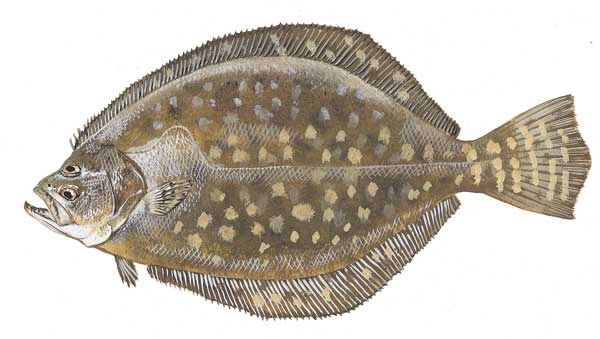 Southern Flounder
- 8-hour charter targeting redfish, trout, drum, and flounder
- Extended time allows multiple locations and tide adjustments
- Maximum 4 anglers ensures personalized attention and techniques
Trip Pricing and Availabilities:
Loyola Beach Full Day Inshore Fishing Charter
When you're looking for a serious day on the water, this full-day inshore fishing charter out of Loyola Beach delivers exactly what you're after. Eight solid hours of fishing time means we can really explore what these waters have to offer, from the productive flats of Corpus Christi Bay all the way down toward Port Mansfield. This isn't a rushed half-day trip where you're just getting your line wet - we've got time to chase the bite, adjust our game plan, and put you on fish that'll make your arms tired. Whether you're bringing the family for their first taste of saltwater fishing or you're a weekend warrior looking to fill the cooler, this top-rated charter adapts to your crew and the conditions we're facing.
What to Expect on the Water
You'll be fishing some of the most productive inshore waters along the Texas coast, and I know these spots like the back of my hand. We'll launch out of Loyola Beach and head to wherever the fish are biting best that day - could be working the grass flats in shallow water, drifting the drop-offs, or targeting structure where the big drum like to hang out. The beauty of an 8-hour trip is flexibility. If the morning bite is slow, we can move and find where they're feeding. If we hit a hot spot early, we can milk it for all it's worth. With up to 4 anglers on board, everyone gets plenty of individual attention and coaching. I've been guiding these waters for years, and there's nothing better than watching someone land their first bull red or seeing a kid's face light up when they feel that speckled trout headshake.
Techniques & Tackle Setup
We fish smart out here, matching our approach to what the fish want on any given day. Light tackle is the name of the game - it's way more fun feeling every head shake and run on properly sized gear. Depending on what we're targeting, we might be throwing topwater plugs at first light, working soft plastics along the grass beds, or setting up with popping corks when the trout are suspended. Live bait always produces when the fish get finicky - nothing beats a frisky shrimp under a cork or a croaker on the bottom for drum. I keep a full spread of artificials too, from paddle tails to spoons, because sometimes these fish want something moving fast. The longer trip duration means we can try different techniques throughout the day, adjusting as conditions change with the tides and weather patterns.
Species You'll Want to Hook
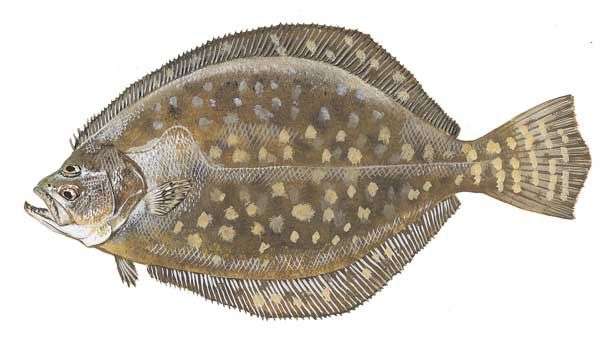
Southern Flounder are some of the tastiest fish swimming in these bays, and they're ambush predators that love to lay buried in the sand waiting for an easy meal. Best fishing for doormat flounder happens during their fall migration when they're moving toward the gulf to spawn. These fish average 2-4 pounds but the big sows can push 6-7 pounds and provide a surprising fight on light tackle. They're not flashy fighters like reds, but they pull hard and steady, and nothing beats fresh flounder on the dinner table.
Black Drum are the bulldogs of the bay system, and when you hook into a big one, you'll know it immediately. These copper-colored fighters can range from slot-sized 16-inchers up to massive 40+ pound bulls that'll test your drag system. They're bottom feeders with excellent hearing, so we often target them around shell reefs and structure using cut bait or live crabs. Spring and fall are prime time for the big drum, and landing one of these brutes on light tackle is a workout you won't forget.
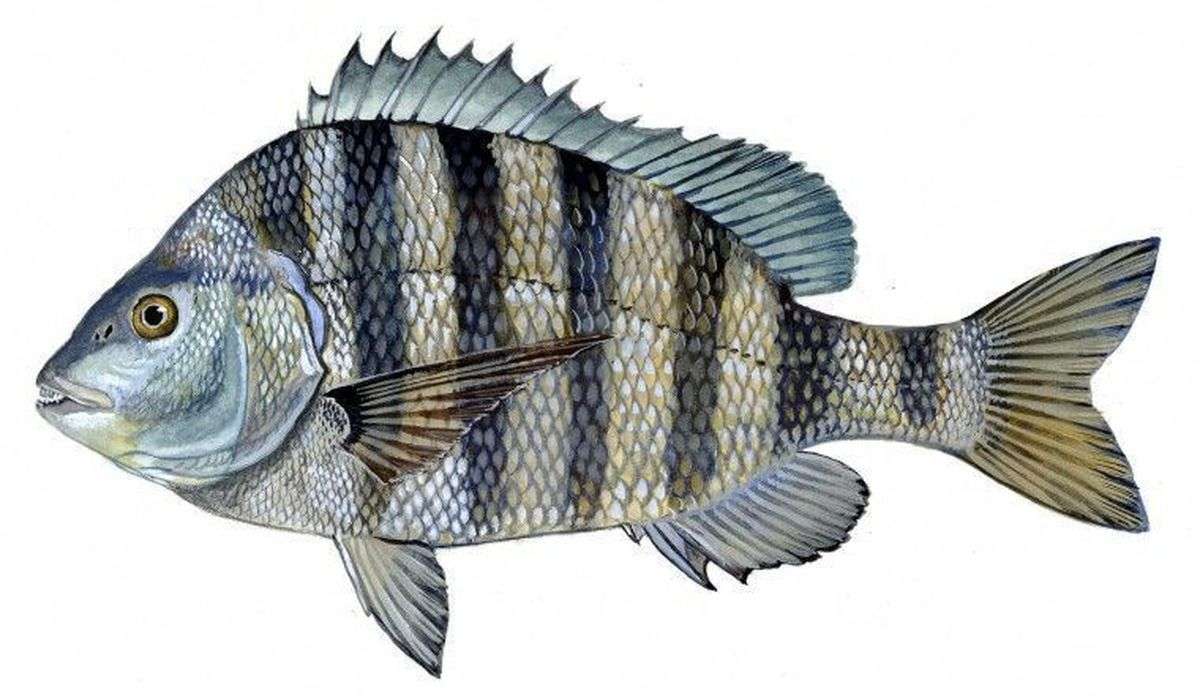
Sheepshead might be the prettiest fish in the bay with their black and white stripes, but they're also some of the most frustrating to hook consistently. These bait stealers have human-like teeth and incredible reflexes, earning them the nickname "convict fish." They hang around structure like pilings, reefs, and jetties, feeding on barnacles and crabs. Winter months are best for sheepshead fishing when they school up in deeper water. Once you figure out their bite pattern, they're addictive to target, and they make excellent table fare.
Sea Trout, or speckled trout as we call them locally, are probably the most popular inshore species along the Texas coast, and for good reason. These spotted beauties are aggressive predators that'll hit topwater, soft plastics, and live bait with equal enthusiasm. They average 14-18 inches but the big sows can reach 6-8 pounds and provide spectacular fights with lots of head shaking and jumping. Trout are most active during dawn and dusk feeding periods, and they love grass flats, drop-offs, and areas with good tidal flow.
Redfish are the crown jewel of Texas inshore fishing, and these copper-colored bulldogs never disappoint. Slot reds between 20-28 inches are perfect for the dinner table, while the oversized bulls provide heart-stopping runs and drag-screaming fights. Reds are sight fishing opportunities in shallow water, cruising the flats with their backs out of water, but they also school up in deeper areas during certain times of year. They're aggressive feeders that'll crush topwater plugs, inhale soft plastics, and absolutely destroy live bait presentations. Year-round fishery with different patterns throughout the seasons.
Time to Book Your Spot
This full-day charter gives you the best shot at experiencing everything our world-class inshore fishery has to offer. Eight hours on the water with a seasoned guide who knows how to put you on fish, covering water from Corpus Christi Bay to Port Mansfield based on seasonal patterns and daily conditions. You'll come away with a cooler full of memories, probably some great photos, and hopefully dinner for the family. The longer trip duration means beginners get plenty of time to learn while experienced anglers can really dial in their techniques. Don't
Learn more about the species
Black Drum
Black drum are the bulldozers of the bay - thick, powerful fish that'll test your drag system. These guys run anywhere from 5-30 pounds around here, with the occasional monster pushing 50+. They cruise shallow flats, muddy bottoms, and oyster reefs, using those pharyngeal teeth to crush shells like popcorn. Spring is prime time when they school up for spawning - that's when you'll hear them "drumming" underwater. They're not the prettiest fish, but they fight hard and the smaller ones (under 15 pounds) make excellent table fare. The bigger ones get tough and wormy, so we usually release those. Best tip I can give you: use fresh crab for bait and keep it on the bottom. These fish are vacuums - they'll suck up that bait and you'll feel it as a steady, heavy pull rather than a sharp strike.
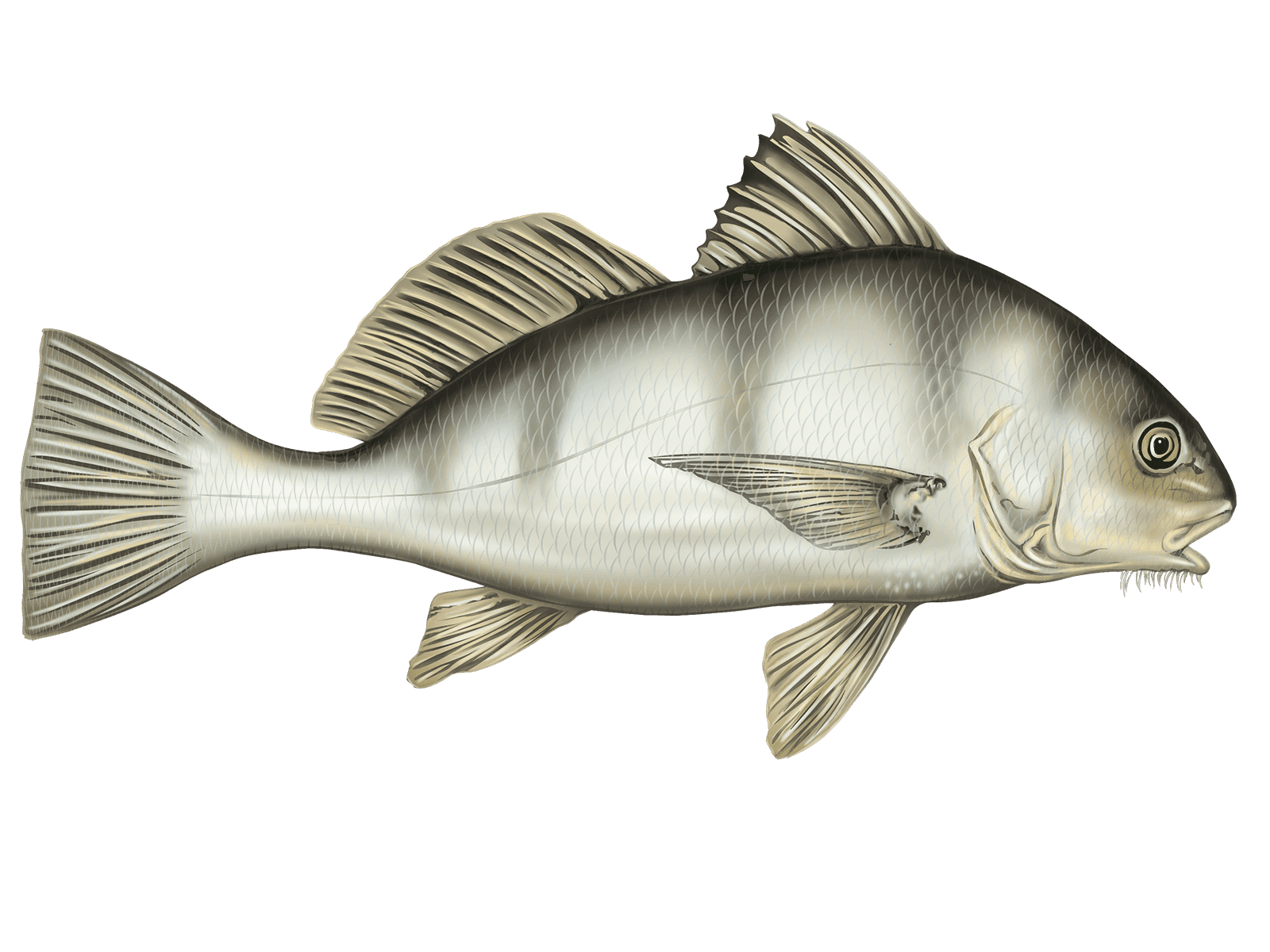
Redfish
Redfish are the kings of our shallow water flats - copper-colored bruisers with distinctive black spots near their tails that'll give you a fight you won't forget. They cruise in water so shallow their backs sometimes break the surface, hunting around oyster bars, grass beds, and marsh edges. Most slot fish run 20-28 inches, perfect for the dinner table with that mild, sweet flavor. The big bulls we catch and release can push 35-40 inches and really test your equipment. They're aggressive feeders that'll hit everything from topwater plugs to soft plastics, and that initial run when you hook one is pure adrenaline. Fall is prime time when they're fattening up, but we catch them year-round. Pro tip: when you see them tailing or cruising, cast past them and work your bait back into their path. Don't hit them on the head with it.
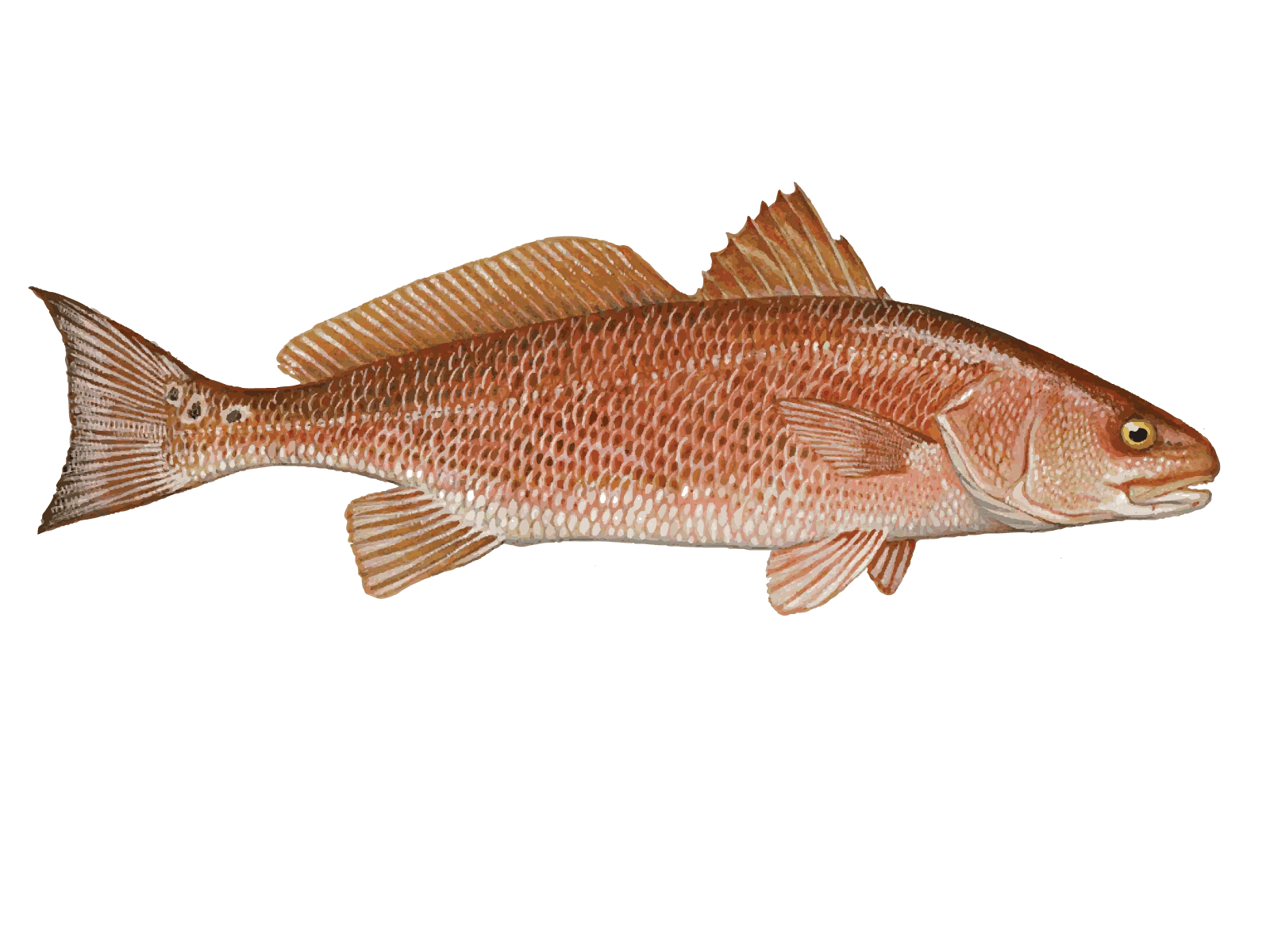
Sea Trout
Speckled trout are the bread and butter of our inshore fishing - beautiful silver fish covered in dark spots that love grass flats and shallow waters. They average 14-20 inches, but we regularly see trout pushing 24-26 inches that'll make your day. They're most active during moving tides, especially early morning and late evening when they're feeding on shrimp and small baitfish. What makes them special is their soft mouth and the way they hit - sometimes a gentle tap, other times they'll slam a topwater plug. The meat is white, flaky, and mild, but you've got to handle them gently since they're delicate. They school up in winter in deeper holes and channels. My go-to tip: use a popping cork with live shrimp about 18 inches below. The noise draws them in, and that natural presentation seals the deal.
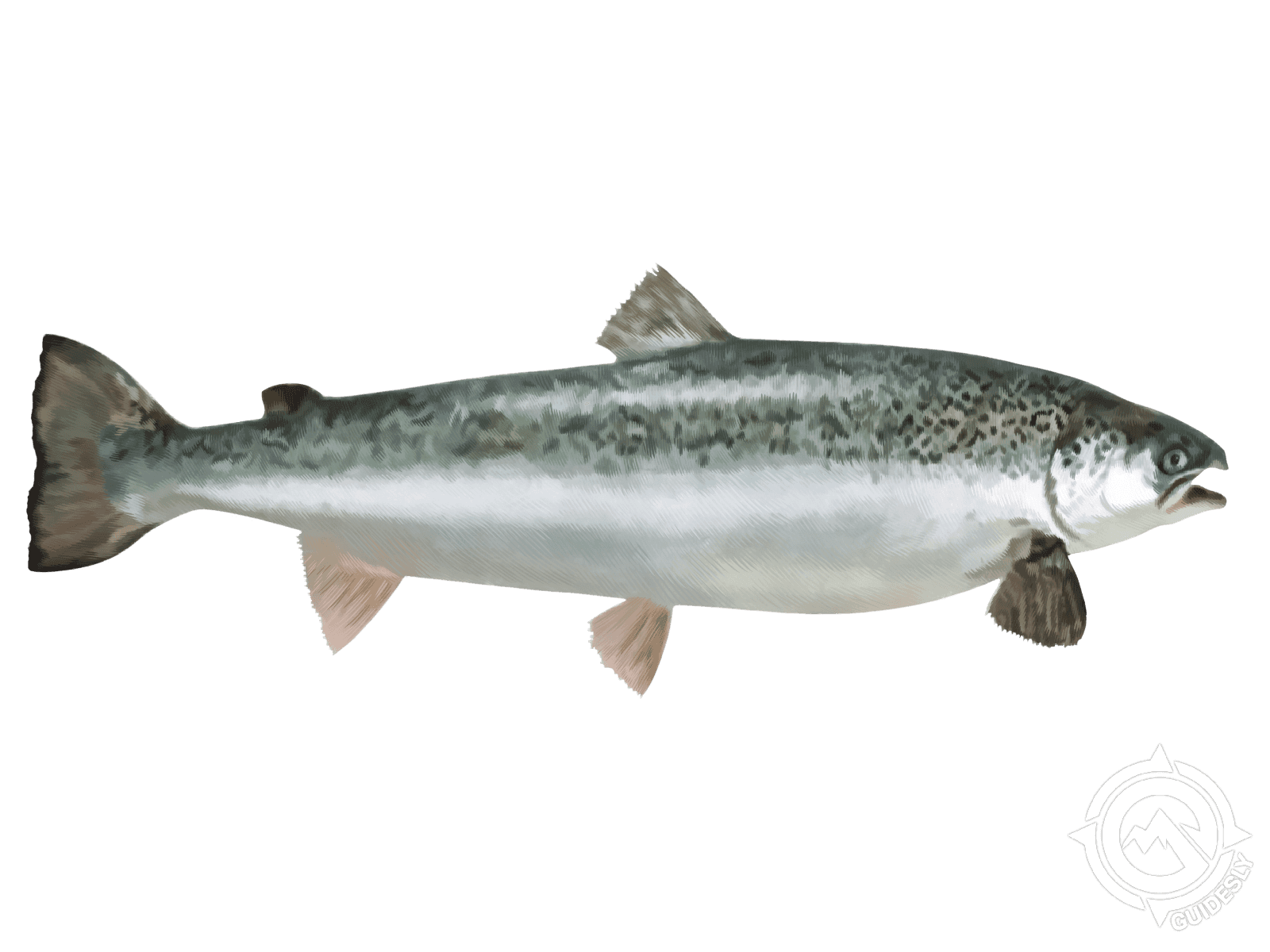
Sheepshead
Sheepshead are the convict fish - black and white striped with human-like teeth that'll creep you out and amaze you at the same time. They're structure lovers, hanging tight around dock pilings, jetties, and any barnacle-covered surface where they can pick off crabs and shellfish. Most run 2-5 pounds, but we catch some nice 8-10 pounders that really put up a scrap. Winter through early spring is when they're most active, though you can find them year-round. They're notorious bait thieves with those sharp teeth, so you need small hooks and fresh shrimp or fiddler crabs. The payoff is worth it - they're some of the best eating fish in the bay. Here's the trick: when you feel them pecking at your bait, resist the urge to set immediately. Let them get it good in their mouth, then hit them hard with a sharp hookset.
Southern Flounder
Southern flounder are masters of disguise - these flatfish bury themselves in sand and mud bottoms, waiting to ambush shrimp, crabs, and small fish. You'll find them in shallow bays, around oyster bars, and near channel edges throughout our area. Most run 15-18 inches, but we see some pushing 25+ inches that really bend the rod. They're active year-round here, but fall and winter months are prime time when they move toward passes and deeper channels. What makes them special is that sneaky strike - one second your bait's sitting still, next second you've got a serious fish on. The meat is fantastic too - white, flaky, and mild. Pro tip: when you feel that subtle tap-tap, don't set the hook right away. Let them run with it a few seconds first, then nail 'em hard.
About the Haynie
%2F%2Fusers%2F08d994c6-bbb8-4374-b894-f7c313ccf46e%2Fvehicle_picture%2Fb-mn9o0pnr.jpg&w=1920&q=75)
Vehicle Guest Capacity: 4
Manufacturer Name: Mercury
Maximum Cruising Speed: 40
Number of Engines: 1
Horsepower per Engine: 350